How to Create a Pre-Listing Home Prep Guide to Impress Sellers
Turn your listing presentation into a professional consultation that wins more clients and secures higher sales prices.
The Secret Weapon of High-Performing Agents
You know that feeling when you walk into a potential listing and the seller is already overwhelmed? They’ve got stacks of mail on the counter, a lawn that hasn’t seen a mower in two weeks, and a half-finished bathroom renovation. They look at you, eyes wide, and ask: "Where do we even start?"
Most agents answer with a generic, "Oh, just tidy up and we'll get the photos done." But the top 1% of agents? They reach into their bag and pull out a professionally designed Pre-Listing Home Prep Guide. It’s not just a checklist; it’s a roadmap. It’s the difference between being seen as a salesperson who wants a quick commission and a consultant who is dedicated to maximizing the seller's equity.
A well-crafted guide does three things: it reduces seller anxiety, streamlines the preparation process, and—most importantly—sets the stage for a premium sale. If you're looking to elevate your brand, incorporating a prep guide into your 5 modern listing presentation tips is the fastest way to build immediate trust.
Why Every Agent Needs a Physical (or Digital) Prep Guide
In a market where sellers are increasingly savvy, they want more than just a CMA (Comparative Market Analysis). They want a strategy. A pre-listing home prep guide positions you as the authority. It shows you have a system in place to handle the details they haven't even thought about yet.
Think about it this way: if you were going to sell a classic car, would you just park it on the lawn with a "For Sale" sign? No, you’d detail it, fix the dings, and make sure the engine hums. Selling a home is no different, but the scale is much larger. Your guide is the manual for that "detailing" process.
The Psychological Advantage
Selling a home is emotional. By providing a guide, you’re giving the seller a sense of control. You’re moving them from the "thinking about it" phase into the "action" phase. This momentum is crucial for getting a listing agreement signed quickly. When they see the level of care you put into the preparation, they’ll naturally assume you’ll put that same care into the marketing and negotiation.
What to Include in Your Pre-Listing Home Prep Guide
Your guide shouldn't be a 50-page novel. It needs to be digestible, actionable, and visually appealing. Here’s a breakdown of the essential sections every guide should have.
1. The "Big Picture" Strategy
Start with the "Why." Explain that the goal of home prep is to help buyers imagine themselves living in the space. This means removing the current owner's "personality" so the buyer can project theirs. Briefly mention that well-prepped homes sell faster and for more money—data points from the National Association of Realtors (NAR) can be very persuasive here.
2. Room-by-Room Checklist
This is the meat of the guide. Break it down so it’s not overwhelming. You might include sections for:
- The Kitchen: Clear the counters (yes, even the toaster), clean the grout, and organize the pantry.
- The Living Room: Depersonalize photos, thin out bookshelves, and ensure furniture flow is open.
- Bedrooms: Neutralize bedding, clear nightstands, and empty closets by at least 30% to show off storage space.
- Bathrooms: Deep clean everything, put out fresh white towels, and hide all personal toiletries.
If a seller is struggling with a particularly cluttered room, you might suggest how to use virtual decluttering to sell messy listings as a backup plan, but always emphasize that physical prep is the gold standard.
3. The "Curb Appeal" Audit
First impressions happen at the curb. Your guide should remind sellers to power wash the driveway, trim the hedges, and perhaps add a fresh coat of paint to the front door. Mention that a few hundred dollars in landscaping can often yield a return of several thousand in the final sale price.
4. Maintenance and Repairs
Don't let a $50 fix kill a $500,000 deal. Include a list of common "red flag" items for inspectors:
- Leaky faucets
- Burnt-out lightbulbs (matching color temperatures is key!)
- Squeaky doors
- Loose cabinet hardware
- HVAC filter replacement
5. The Professional Photography Prep List
This is where many agents drop the ball. A house can look "clean" to the human eye but look "cluttered" to a camera lens. Provide a specific list for the day of the shoot. This includes turning on all lights, turning off ceiling fans, hiding pet bowls, and moving cars out of the driveway. For more insights on this, check out these 10 real estate photography tips that sell homes faster.
Designing Your Guide for Maximum Impact
The content matters, but the presentation is what sells *you*. If your guide is a black-and-white Word document with clip art, it sends the wrong message. It should look like a high-end magazine or a professional brochure.
Use High-Quality Imagery
Use "Before and After" photos to demonstrate the power of staging and decluttering. Visual proof is much more convincing than a bulleted list. If you have photos from previous listings that were successfully transformed, use them! It proves your track record.
Keep the Branding Subtle but Consistent
Your logo and contact info should be on every page, but the focus should remain on the seller's needs. Use your brand colors and professional fonts to ensure the guide feels like a part of your overall marketing ecosystem.
Digital vs. Physical Copies
I always recommend having both. A high-quality, spiral-bound or heavy-stock printed guide is something the seller can leave on their coffee table and refer to daily. It’s a constant physical reminder of your value. However, a PDF version is great for initial lead magnets or for sending to out-of-town sellers.
How to Use the Guide to Win More Listings
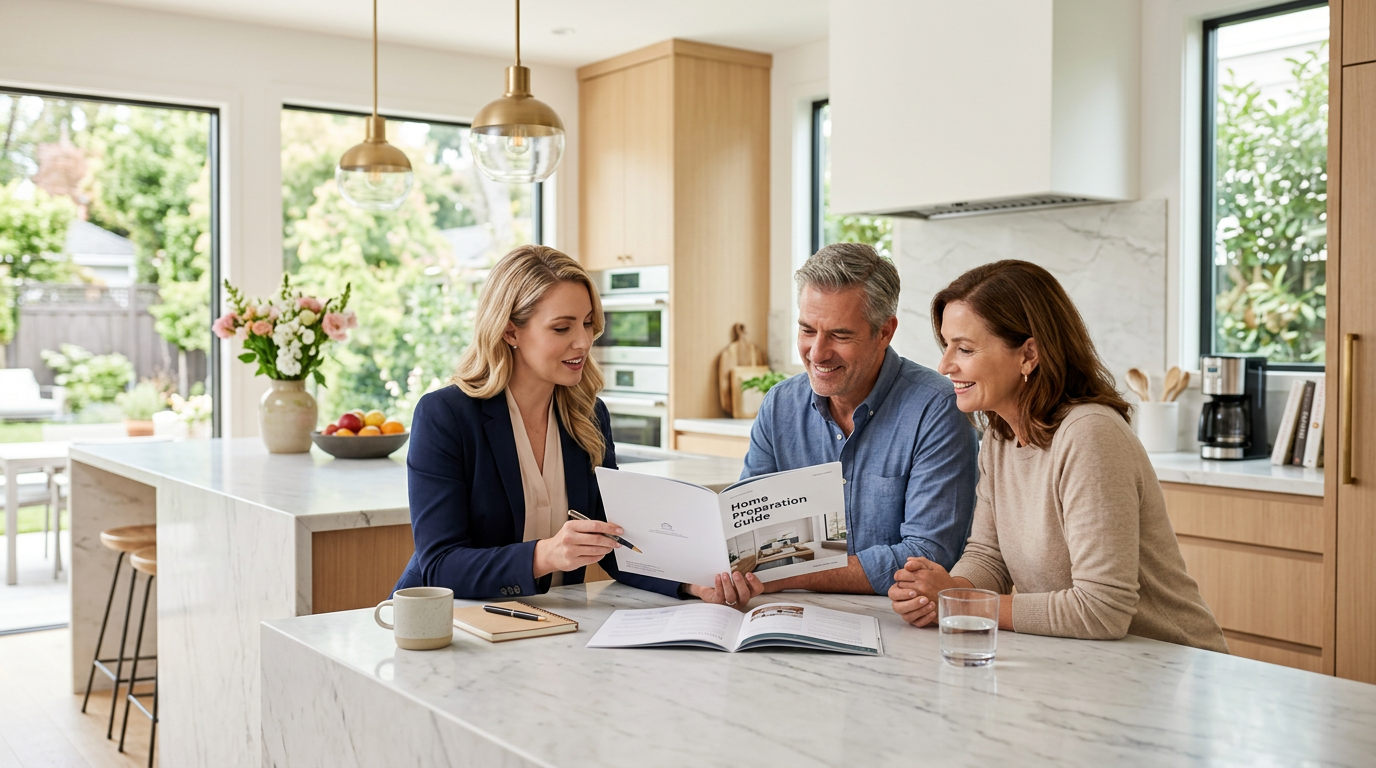
The guide isn't just a tool for *after* you get the listing; it’s a tool to *get* the listing. During your initial consultation, don't just talk about your marketing plan. Show them the guide.
Try this script:
"Mr. and Mrs. Seller, I know getting a home ready for market can feel like a massive undertaking. That’s why I’ve developed this Home Prep Guide. It breaks everything down into small, manageable steps so we can ensure your home shows at its absolute best. My goal is to make sure that when we go live, we aren't just 'on the market'—we're the best option on the market."
This approach shifts the conversation from "What is your commission?" to "Wow, this agent really knows what they’re doing." It justifies your value by showing the work you do before the sign even hits the yard.
The "Vendor List" Add-On
To take your guide to the next level, include a "Preferred Vendor List." When a seller realizes they need to paint the living room or fix a leaky pipe, they don't want to spend hours on Yelp. If you can provide a list of trusted painters, plumbers, and landscapers, you’ve just saved them hours of stress.
This also creates a great networking opportunity for you. You can build relationships with local tradespeople, which can lead to referrals down the road. It’s a win-win for everyone involved.
Actionable Steps to Create Your Guide Today
- Audit your common advice: What are the top 10 things you find yourself telling every seller? Start there.
- Gather visuals: Look through your past listings for great examples of well-prepped rooms.
- Choose a design tool: Canva is a fantastic, user-friendly option for creating professional-looking guides. Search for "Real Estate Presentation" templates to get started.
- Write for the seller, not for yourself: Use "You" and "Your" language. Make it about their success.
- Print a test copy: Make sure the colors look right and the layout is easy to read.
Final Thoughts
A Pre-Listing Home Prep Guide is more than just a piece of paper. It’s a tangible representation of your professionalism and your commitment to your clients' success. In a competitive industry, these "extra mile" touches are exactly what set the top-producing agents apart from the rest of the pack. By guiding your sellers through the preparation process with clarity and confidence, you’re not just selling a house—you’re building a reputation that will fuel your business for years to come.