7 Curb Appeal Photography Tips to Boost Online Listing Click-Throughs
Transform your exterior shots from 'just okay' to 'must-see' with these professional photography secrets.
The Digital Front Door: Why Your First Photo is Your Only Chance
You’ve heard it a thousand times: you never get a second chance to make a first impression. But in the world of modern real estate, that impression doesn't happen on the sidewalk—it happens on a five-inch smartphone screen. Imagine a potential buyer, let’s call her Sarah, scrolling through Zillow at 10:30 PM after a long day. She’s seen forty houses tonight. Her thumb is moving fast. If your lead photo—the 'hero' shot of the home’s exterior—doesn't stop her dead in her tracks within half a second, you’ve lost her. Period.
Curb appeal photography isn't just about showing what a house looks like; it’s about selling a feeling. It’s about promising a lifestyle. When your online listing click-throughs are low, it’s rarely because the price is wrong or the neighborhood is bad—it’s usually because the main image failed to trigger an emotional response. According to the National Association of Realtors, 97% of home buyers use the internet in their home search. That means your photography is arguably the most powerful marketing tool in your arsenal.
Ready to turn those casual scrollers into scheduled showings? Let’s dive into seven actionable curb appeal photography tips that will make your listings impossible to ignore.
1. Master the 'Golden Hour' and the Magic of Twilight
If you’re still taking your exterior photos at high noon on a Tuesday, we need to talk. Direct overhead sunlight creates harsh shadows, blown-out highlights, and makes even the most beautiful home look flat and uninviting. To really boost those online listing click-throughs, you need to lean into the 'Golden Hour'—the hour just after sunrise or just before sunset.
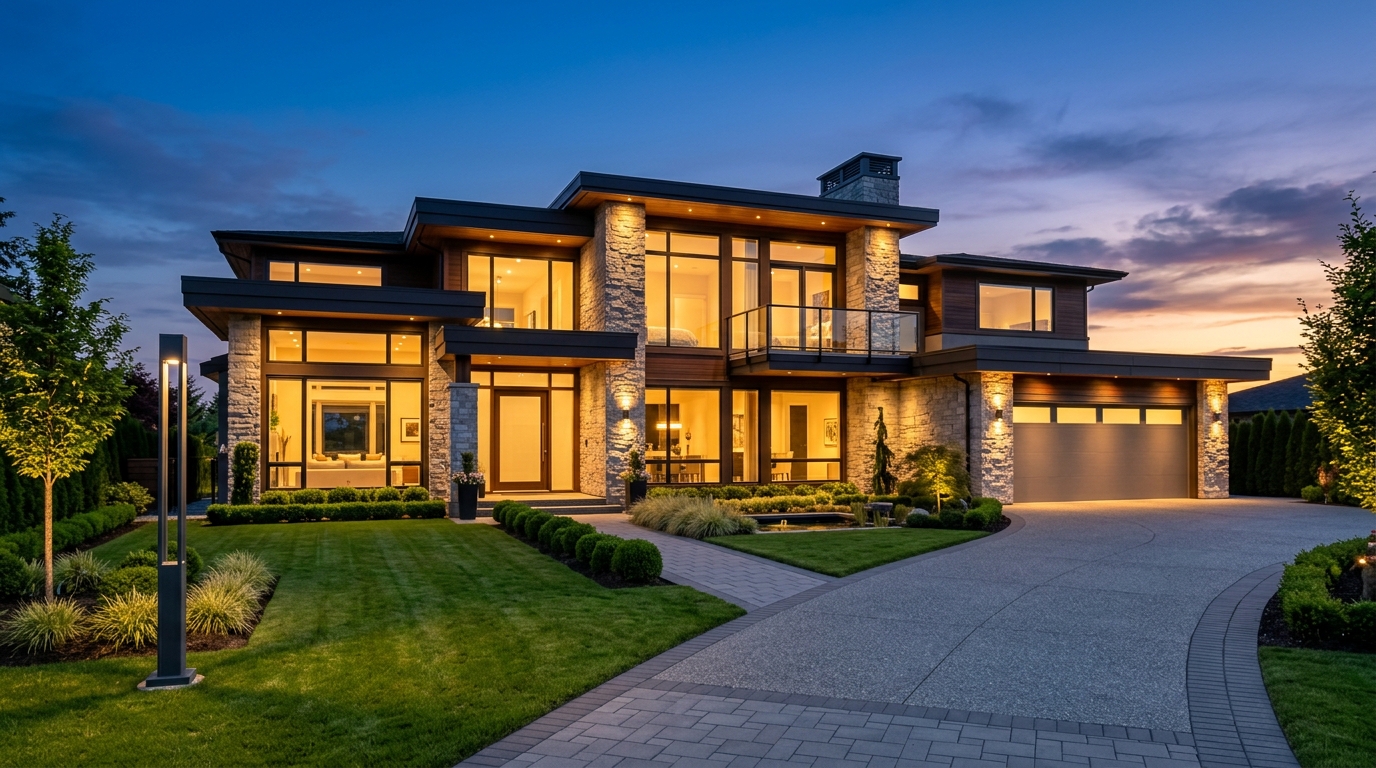
Why is this so effective? The light is soft, warm, and directional, which adds depth and texture to the home’s facade. But if you want to take it a step further, go for a full twilight shoot. When the interior lights are glowing against a deep blue evening sky, the home looks like a cozy sanctuary. It’s a psychological trigger that screams 'luxury' and 'comfort.' Statistics show that twilight photos often receive significantly more clicks than standard daylight shots because they stand out visually in a sea of bright, sunny thumbnails.
2. Find the 'Power Angle' (Hint: It’s Not Head-On)
Most amateur photographers stand directly in front of the house, right in the middle of the sidewalk, and click. The result? A flat, two-dimensional photo that feels like a mugshot for a building. To create interest, you need to find the 'Power Angle.'
- The 45-Degree Rule: Try shooting from a slight angle rather than straight on. This shows the depth of the property and gives the viewer a sense of the home’s scale and architectural shape.
- The Low-Angle Hero Shot: Dropping your tripod a few inches lower can make a home look more majestic and imposing (in a good way). It gives the property a sense of stature.
- Leading Lines: Use the driveway, a stone path, or even a well-manicured hedge to lead the viewer’s eye directly to the front door.
By varying your perspective, you provide a more comprehensive view of the property. For more technical advice on capturing the best features, check out our guide on 10 real estate photography tips that sell homes faster.
3. Manicure the Environment Like a Movie Set
Curb appeal photography is 50% technical skill and 50% production design. You wouldn't film a movie without a set decorator, right? Before the camera even comes out of the bag, the exterior needs to be pristine. We’re talking 'model home' levels of clean.
Ask your sellers to do the following 24 hours before the shoot:
- Refresh the Mulch: Dark, fresh mulch makes landscaping pop and hides weeds.
- Hide the 'Life' Clutter: Trash cans, garden hoses, and children's toys need to be hidden in the garage.
- The Vehicle Rule: No cars in the driveway. None. Not even the luxury SUV. You want the buyer to imagine their car there, not see the current owner's.
- Pressure Wash Everything: A clean driveway and sidewalk look significantly better on camera than stained concrete.
Remember, the camera picks up details the human eye often ignores. That tiny bit of peeling paint on the trim? It’ll look like a major renovation project in a high-resolution photo.
4. Clear the Clutter (Both Physical and Digital)
Sometimes, despite your best efforts, there’s a stubborn eyesore you just can’t move. Maybe it’s a neighbor’s overflowing trash bin or a messy construction site across the street. This is where modern technology becomes your best friend. While we always advocate for physical staging and cleaning first, sometimes you need a digital assist.
If the backyard is currently a staging ground for a move, or if the front porch is crowded with seasonal decor that dates the photo, you might consider using virtual decluttering to sell messy listings. This allows you to present a 'clean slate' to buyers, ensuring their focus remains on the architecture and potential of the home rather than the current owner's hobbies. Just remember: the goal is to show the home’s true form, not to deceive. Always ensure the final product reflects the actual condition of the structural elements.
5. Use Height to Your Advantage: The Drone Factor
Sometimes the best view of a home isn't from the ground at all. If the property has a unique roofline, a massive lot, or is situated in a particularly stunning neighborhood, a standard eye-level shot won't cut it. This is where elevated photography or drone shots come into play.
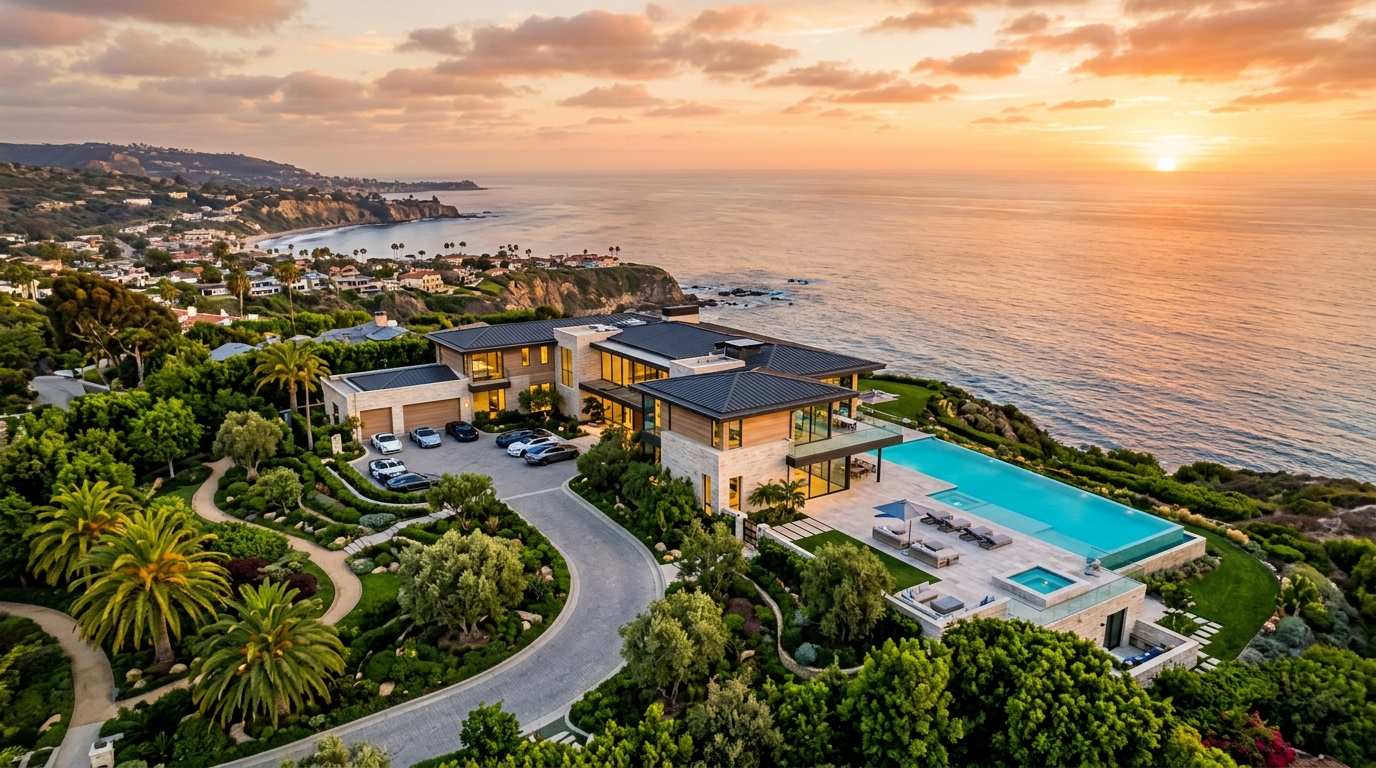
A 'birds-eye' or slightly elevated angle can capture the entire context of the home—the proximity to the local park, the size of the backyard, and the overall layout of the cul-de-sac. It provides a 'wow' factor that ground-level shots simply can't match. When a buyer sees a high-quality aerial shot as the second or third image in a gallery, it instantly elevates the perceived value of the listing. It tells the buyer, 'This is a premium property that deserves a premium look.'
6. Highlight Architectural Character and Texture
Every home has a story. Is it a sleek, modern minimalist masterpiece? Or a charming historic craftsman with intricate woodwork? Your photography should highlight these specific textures. If you’re marketing a historic home, for example, close-up shots of original brickwork or hand-carved pillars can be huge selling points.
Use lighting to emphasize texture. Side-lighting (common during the Golden Hour) creates small shadows that make stone, wood grain, and shingles look three-dimensional. If the home has unique features like a wrap-around porch or custom ironwork, make sure you have at least one shot that focuses specifically on that craftsmanship. Buyers love 'character,' but they need to see it clearly to fall in love with it.
7. Post-Production: The 'Secret Sauce' of High CTR
Raw photos from a camera—even a very expensive one—often look a bit dull. Professional real estate photographers use post-production to make images 'sing.' This doesn't mean 'Photoshopping' the house into something it’s not; it means correcting the image to match how the human eye actually perceives a space.
Key post-production steps include:
- Sky Replacement: If it was a gray, overcast day during the shoot, a professional can swap in a bright blue sky (or a stunning sunset) to make the listing feel more inviting.
- Vertical Correction: Have you ever seen a listing where the house looks like it's leaning backward? That's a perspective error. Correcting vertical lines makes the home look sturdy and professional.
- Color Balancing: Ensuring the green of the grass is vibrant (but natural) and the paint colors are accurate is vital for building trust with buyers.
Conclusion: Turn Those Clicks into Commissions
At the end of the day, your curb appeal photography is the engine that drives your entire digital marketing funnel. You can have the best SEO, the most expensive Facebook ads, and a perfect email list, but if the photo at the end of that link is uninspiring, the funnel breaks. By mastering the light, finding the right angles, and obsessing over the details of the environment, you aren't just taking pictures—you're building a bridge between a buyer and their future home.
Which of these tips are you going to implement on your next listing? Whether it's scheduling a twilight shoot or finally hiring a professional for that hero shot, the investment will pay for itself in increased engagement and faster sales. Ready to elevate your entire listing presentation? Let's get shooting.