Drone Photography for Real Estate: Your Complete Agent's Guide
Elevate Your Listings: Why Aerial Shots are No Longer a Niche, But a Necessity for Modern Realtors
You’ve walked into countless homes, seen hundreds of properties through a lens, and you know the power of a stunning visual. But what if you could offer buyers a perspective they’ve never seen before? What if you could showcase not just a house, but its entire world? This isn't science fiction; it's the game-changing reality of drone photography for real estate.
In today's hyper-competitive market, standing out isn't just nice; it's essential. Buyers are scrolling through endless listings, and you have mere seconds to grab their attention. Generic photos just won't cut it anymore. That's where aerial photography steps in, transforming ho-hum listings into captivating visual stories that compel buyers to click, call, and ultimately, convert. This comprehensive guide is designed to equip real estate agents like you with everything you need to leverage the incredible power of drones, from understanding the 'why' to mastering the 'how.'
Why Drone Photography Isn't a Luxury, It's a Necessity for Agents
Gone are the days when drone shots were reserved for multi-million dollar estates. Today, they're a powerful, accessible tool that provides a significant competitive edge for almost any property type. Let's dive into why embracing aerial photography is a smart move for your business and your clients.
1. The Power of Perspective: What Traditional Photography Misses
Think about it: a standard ground-level photo shows you a front yard, maybe a bit of the roof. But what about the sprawling backyard that connects to a serene greenbelt? Or the stunning rooftop patio with panoramic city views? Traditional photography simply can't capture the true scope and unique features of a property and its surroundings. Drone photography fills this gap, offering a bird's-eye view that reveals the property's layout, its relationship to the land, and its proximity to desirable amenities.
2. Showcase Scale and Surroundings Like Never Before
For larger properties, acreage, or homes with unique geographical features (think beachfront, lakeside, or mountain views), aerial shots are invaluable. They allow potential buyers to grasp the true scale of the lot, visualize property lines, and appreciate the natural beauty or urban convenience of the location. Imagine selling a home nestled beside a winding river – a drone can perfectly frame that unique selling proposition.
3. Captivating Storytelling That Engages Buyers
People don't just buy houses; they buy lifestyles. Drone footage, especially cinematic video tours, tells a compelling story. A smooth flyover that transitions from the neighborhood park to the home's front door, then swoops around to highlight the expansive pool and outdoor living space – that's an experience. It allows buyers to mentally 'move in' and envision their life there, creating an emotional connection that static images often can't achieve.
4. Stand Out in a Crowded Digital Marketplace
Every agent is vying for attention online. When a buyer scrolls through dozens of listings, what makes yours pop? Often, it's that unique, high-quality visual content. Listings featuring drone photography consistently receive more views, clicks, and engagement. It signals professionalism, innovation, and a commitment to showcasing a property in the best possible light. It’s a differentiator that helps you win more listings, too, as sellers see your advanced marketing approach.
5. Attract Tech-Savvy and Remote Buyers
Today's buyers, especially younger demographics, expect high-quality digital experiences. They're often starting their home search online, sometimes from different cities or even countries. Professional drone photography, combined with other top-tier real estate photography tips, provides a comprehensive virtual tour that can bridge geographical gaps and make a powerful first impression, regardless of where the buyer is located.
The Types of Drone Shots That Sell Homes
Not all drone shots are created equal. Understanding the different applications will help you communicate your vision to a professional pilot and ensure your investment yields maximum impact.
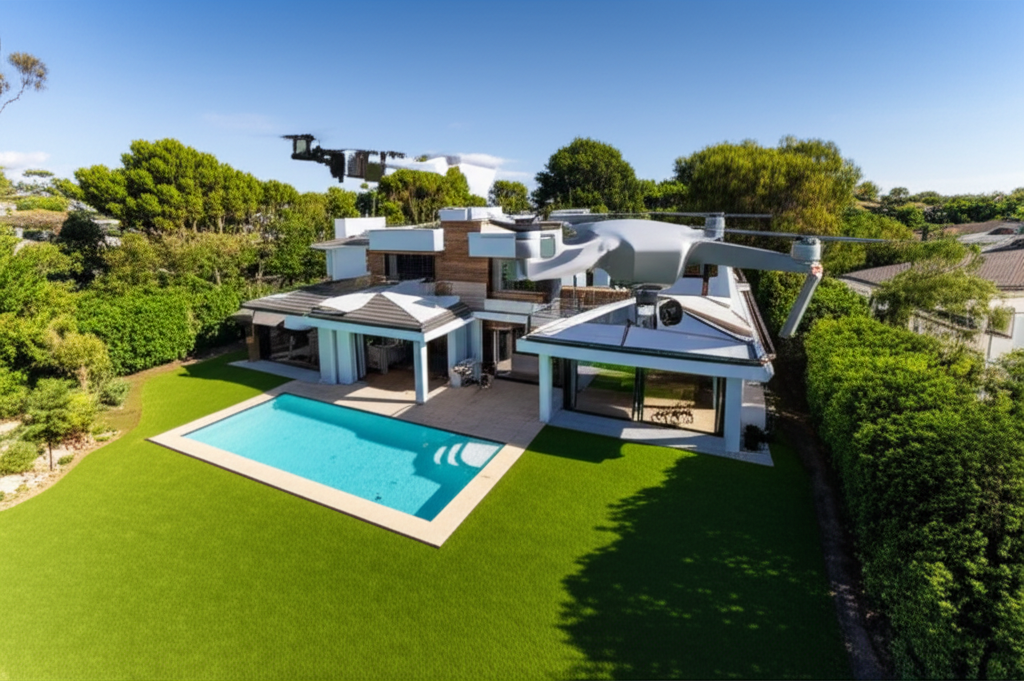
- Aerial Stills: High-resolution photographs taken from various altitudes and angles. These are perfect for showcasing lot size, property layout, roof condition, landscaping, and the surrounding environment. Think hero shots that highlight the property's best features from above.
- Cinematic Video Tours: Smooth, flowing video footage that guides the viewer on a virtual journey around and over the property. These often feature gentle pans, tilts, and fly-throughs, set to music, creating an immersive experience that static photos can't replicate.
- Property Flyovers: A specific type of video that usually focuses on a single, continuous shot, often starting wide and gradually closing in on the property, or vice-versa. Excellent for showing the entire footprint and how it sits within its immediate surroundings.
- Neighborhood & Amenity Showcases: Don't just sell the house; sell the lifestyle! Drone footage can capture nearby parks, schools, commercial centers, lakes, or beachfront access, illustrating the benefits of the location.
- Mapping & Lot Diagrams: For larger parcels or development opportunities, drones can capture imagery that can be used to create accurate 2D maps or 3D models, providing invaluable data for potential developers or investors.
Navigating the Skies: Legalities and Regulations for Drone Photography
Before you or your chosen pilot launch a drone, understanding the legal landscape is paramount. Compliance isn't just about avoiding fines; it's about ensuring safety, privacy, and professionalism.
1. FAA Part 107 Certification (United States)
In the U.S., anyone operating a drone for commercial purposes (which includes real estate marketing) must possess a Remote Pilot Certificate from the Federal Aviation Administration (FAA), often referred to as a Part 107 license. This involves passing an aeronautical knowledge test. Without this, operating a drone for your listings is illegal and carries significant penalties.
2. No-Fly Zones and Airspace Restrictions
Drones cannot be flown everywhere. There are strict no-fly zones around airports, military bases, national parks, and other restricted airspace. Before any flight, the pilot must check airspace maps (like those provided by the FAA's B4UFLY app) and obtain necessary authorizations if operating in controlled airspace. This is a non-negotiable step.
3. Privacy Concerns
While drones offer incredible views, they also have the potential to infringe on privacy. Be mindful of neighbors and their properties. Good practice includes:
- Informing neighbors of planned flights.
- Avoiding direct filming into neighboring windows or private spaces.
- Focusing on the listed property and its immediate surroundings.
4. Insurance
Professional drone pilots should carry liability insurance. Accidents can happen – a drone could malfunction, cause property damage, or even injure someone. Ensure your chosen pilot has adequate coverage to protect everyone involved.
5. Local and State Regulations
Beyond federal laws, some states, counties, or municipalities have their own drone regulations regarding flight times, altitudes, or specific areas. Always check local ordinances to ensure full compliance.
Hiring a Professional Drone Pilot vs. DIY: What's Right for You?
As an agent, you have options. But for most, the choice is clear.
Hiring a Professional Drone Pilot
Pros:
- Expertise & Experience: They know how to capture the best angles, understand lighting, and compose shots specifically for real estate. They're also skilled at flying smoothly and safely.
- Legal Compliance: A professional will be Part 107 certified and understand all airspace regulations, ensuring your marketing is legal and ethical.
- High-Quality Equipment: Professionals invest in top-tier drones with advanced cameras and stabilization systems, producing superior image and video quality.
- Post-Production Excellence: Beyond flying, professionals are adept at editing footage, color grading, and adding music for a polished, cinematic final product.
- Insurance: Reputable pilots carry liability insurance, protecting you and your clients.
Cons:
- Cost: It's an investment, though often well worth it for the results.
DIY Drone Photography (If You're a Licensed Agent)
Pros:
- Cost Savings (Initial): You only pay for the drone, not repeated pilot fees.
- Immediate Availability: You can fly on your schedule, assuming conditions are right.
Cons:
- Time & Skill Investment: You'll need to get Part 107 certified, learn to fly, master camera settings, and develop editing skills. This is a significant time commitment.
- Equipment Cost & Maintenance: Drones are expensive and require upkeep.
- Risk & Liability: Without proper experience, you risk crashes, poor footage, and potential legal issues if you're not fully compliant.
- Quality Discrepancy: It takes a lot of practice to match the quality of a seasoned professional.
Our Recommendation: For most real estate agents, partnering with a professional, certified drone pilot is the most efficient, safest, and highest-quality option. Your time is best spent doing what you do best: selling real estate.
Pre-Flight Checklist: Preparing Your Listing for its Aerial Debut
Just like preparing a home for traditional photography, a drone shoot requires some specific prep. A little effort here goes a long way in ensuring stunning results.
- Communicate with the Pilot: Share your vision, highlight key selling points, and discuss any specific shots you want. Provide the property address well in advance so they can check airspace.
- Property Cleanliness is Paramount: Beyond interior tidiness, focus on the exterior. This means sparkling windows, clean gutters, and a tidy roof. Drones see everything!
- Landscaping & Yard Prep: Mow the lawn, trim hedges, clear dead leaves, and ensure flowerbeds are neat. Hide any gardening tools, hoses, or trash cans.
- Declutter the Exterior: Remove anything unsightly from patios, decks, or balconies. This includes toys, old furniture, or excessive decorations. Consider parking cars in garages or down the street if they detract from the property's curb appeal.
- Pools & Water Features: Ensure pools are sparkling clean, and fountains or other water features are running.
- Alert Neighbors: If possible, give neighbors a heads-up about the drone shoot to avoid any surprises or privacy concerns.
- Weather Watch: Drones don't fly well in high winds, heavy rain, or fog. Work with your pilot to schedule on a clear, calm day for the best results. Overcast days can sometimes offer softer, more even lighting than harsh direct sunlight.
Optimizing Your Drone Content for Maximum Impact
Having incredible drone footage is only half the battle. You need to know how to use it effectively.
1. High-Quality Editing is Non-Negotiable
Raw drone footage, even from the best pilot, needs professional editing. This includes color correction, stabilization, seamless transitions, and often, adding appropriate background music. A well-edited video creates a professional, polished feel that elevates the perceived value of the property.
2. Strategic Placement Across All Marketing Channels
Don't just upload it and forget it! Integrate your drone content everywhere:
- MLS: Use aerial stills as primary photos and link to video tours.
- Your Website/Listing Page: Feature it prominently, ideally embedded, not just a link.
- Social Media: Create short, engaging clips for Instagram Reels, TikTok, and Facebook. Use captivating thumbnails.
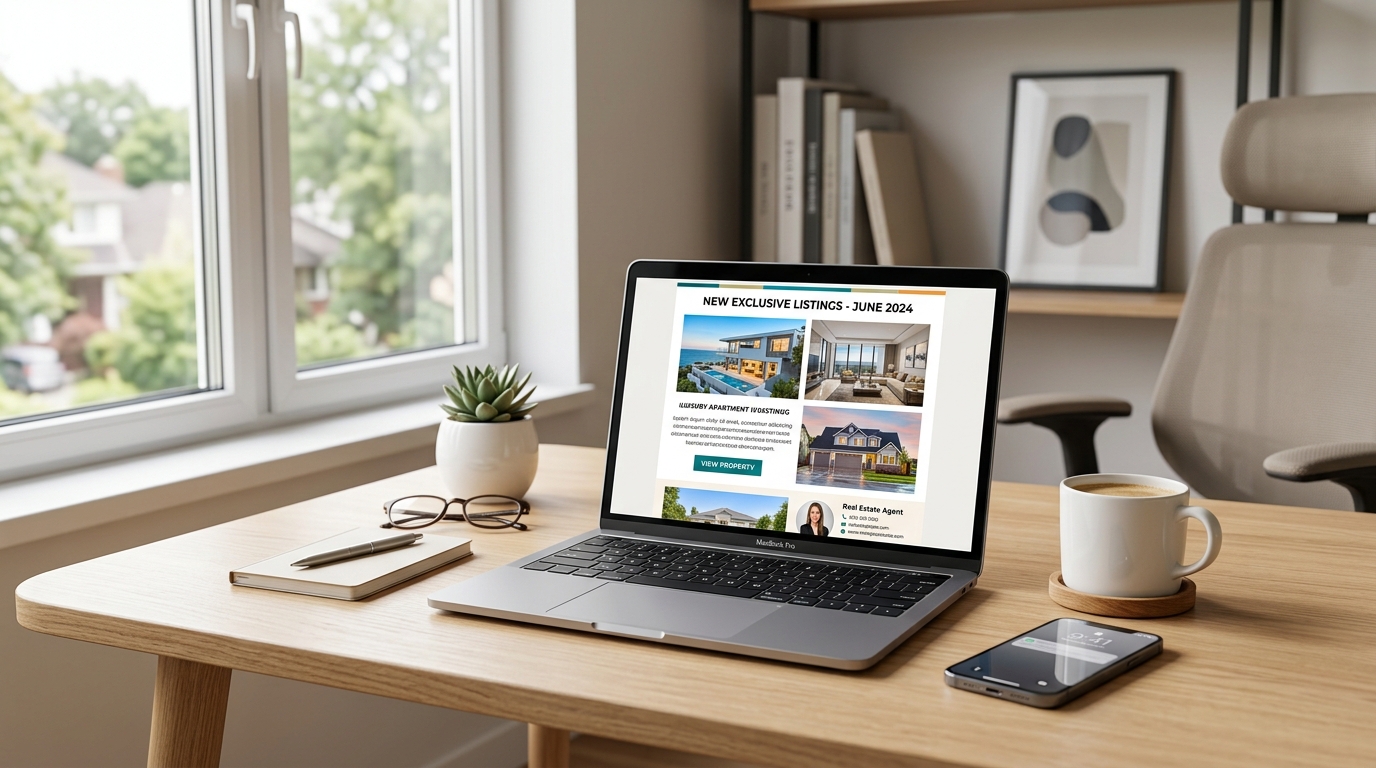
- Email Marketing: Include video snippets or links in your newsletters to potential buyers.
- Listing Presentations: Show sellers how you go above and beyond with your marketing.
3. Storytelling with Captions and Voiceovers
While visuals are powerful, adding context enhances the experience. Use captions on stills to point out features or nearby amenities. For videos, consider a professional voiceover that highlights the property's unique selling points and the lifestyle it offers. This is where you can really sell the dream.
4. Integrate with Other Visual Marketing
Drone footage works best as part of a comprehensive visual strategy. Combine it with professional interior and exterior photography, 3D virtual tours, and floor plans. A cohesive package gives buyers every angle they need to fall in love with a property.
Measuring Success: What to Look For
How do you know your investment in drone photography is paying off? Track these metrics:
- Increased Views/Clicks: Are listings with drone content getting more eyeballs than those without?
- Higher Engagement: Are buyers spending more time on your listing pages? Are they sharing the content?
- More Inquiries/Showings: Ultimately, the goal is to generate leads. Are you seeing an uptick in interest?
- Faster Sales Cycle: Are properties with drone photography selling quicker than comparable homes without it?
- Higher Sale Price: While harder to directly attribute, a more appealing listing can often command a better price.
Common Mistakes to Avoid with Real Estate Drone Photography
Even with the best intentions, some pitfalls can diminish the impact of your drone efforts:
- Ignoring Regulations: Flying without a license or in restricted airspace is not only illegal but also incredibly risky.
- Poor Weather Conditions: Wind, rain, or harsh midday sun can ruin even the best drone footage. Wait for optimal conditions.
- Bad Composition: Just because you can fly high doesn't mean every shot should be from 400 feet. A professional pilot understands composition and finding the most flattering angles.
- Using Unprofessional Pilots: Hiring someone without proper experience, equipment, or insurance is a false economy. The quality will suffer, and you open yourself up to liability.
- Not Integrating: Drone footage shouldn't live in isolation. It needs to be part of your broader marketing strategy, working in harmony with other visuals and descriptions.
- Overuse or Unnecessary Shots: Not every property needs extensive drone coverage. Sometimes a few key aerial stills are enough. Focus on showcasing unique features, not just flying for the sake of it.
The Sky's the Limit for Your Listings
Drone photography for real estate is no longer a futuristic concept; it's a present-day essential for agents who want to truly differentiate themselves and deliver exceptional value to their clients. By embracing this technology, understanding its nuances, and partnering with professionals, you're not just selling a house – you're selling a vision, a lifestyle, and an unparalleled perspective that captures hearts and closes deals.
Are you ready to elevate your listings and leave a lasting impression on buyers and sellers alike? The sky is calling, and your next successful sale could be just one breathtaking aerial shot away.
Need help integrating cutting-edge visuals into your marketing strategy? Contact The Listing Showcase today to explore how we can help your properties soar above the competition!