How to Market a Smart Home: Highlighting Tech for Modern Buyers
Transform invisible tech into a powerful selling point that drives higher offers and faster sales.
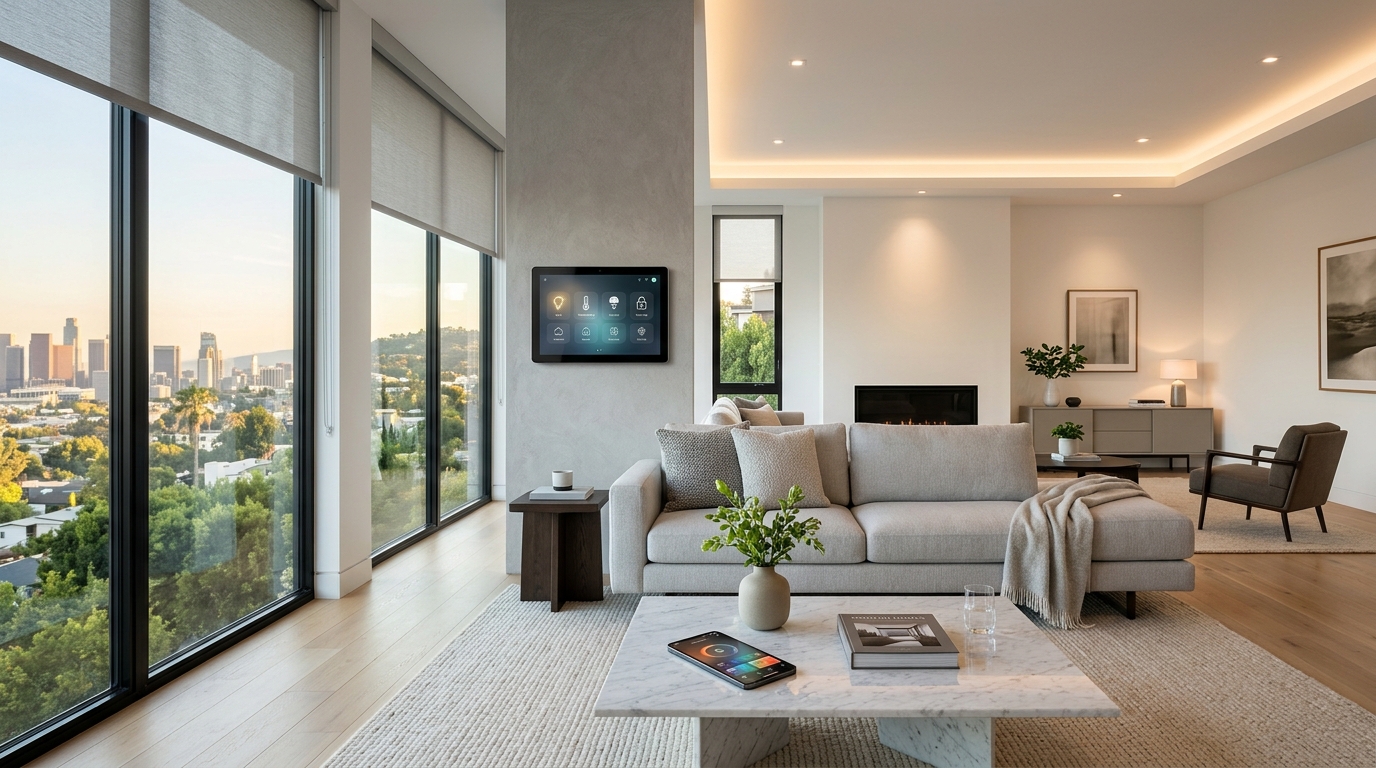
The New Standard: Why "Smart" is the New "Granite Countertops"
Imagine walking into a listing where the lights subtly brighten as you enter, the temperature is a crisp 72 degrees despite the sweltering heat outside, and a soft jazz playlist is piped through invisible ceiling speakers. You haven't touched a single switch, yet the house feels alive. For the modern homebuyer, this isn't just a scene from a sci-fi movie—it’s an expectation.
The days when a "smart home" simply meant having a programmable thermostat are long gone. Today’s buyers, particularly Millennials and Gen Z who now make up the largest share of the market, view integrated technology as a fundamental part of a home’s value. But here’s the challenge for us as realtors: how do you market something that is often invisible? You can’t always see a mesh Wi-Fi network or a smart water shut-off valve in a standard wide-angle photo.
To successfully market a smart home, you have to move beyond listing the hardware. You need to sell the lifestyle of convenience, security, and efficiency that the tech provides. Let's dive into how you can turn those smart sensors into major selling points.
1. Identify the "Big Three" of Smart Tech Appeal
Before you start writing your listing description, you need to categorize the home's technology. Buyers generally care about three things when it comes to home tech: Security, Energy Efficiency, and Convenience. If you can hit all three in your marketing, you’ve hit the jackpot.
- Security: Smart locks, doorbell cameras, and integrated alarm systems offer peace of mind. Highlight the ability to let a delivery driver in remotely or check on the kids from an app.
- Energy Efficiency: Smart thermostats, solar panel monitoring, and smart irrigation systems aren't just cool—they save money. In a world of rising utility costs, a home that manages its own energy consumption is a massive asset.
- Convenience: This is the "cool factor." Think automated blinds, voice-controlled lighting, and multi-room audio.
2. Use Visual Storytelling to Make the Invisible Visible
If you just take a photo of a white plastic hub on a wall, nobody is going to be impressed. To market a smart home effectively, your visuals need to demonstrate the result of the technology.
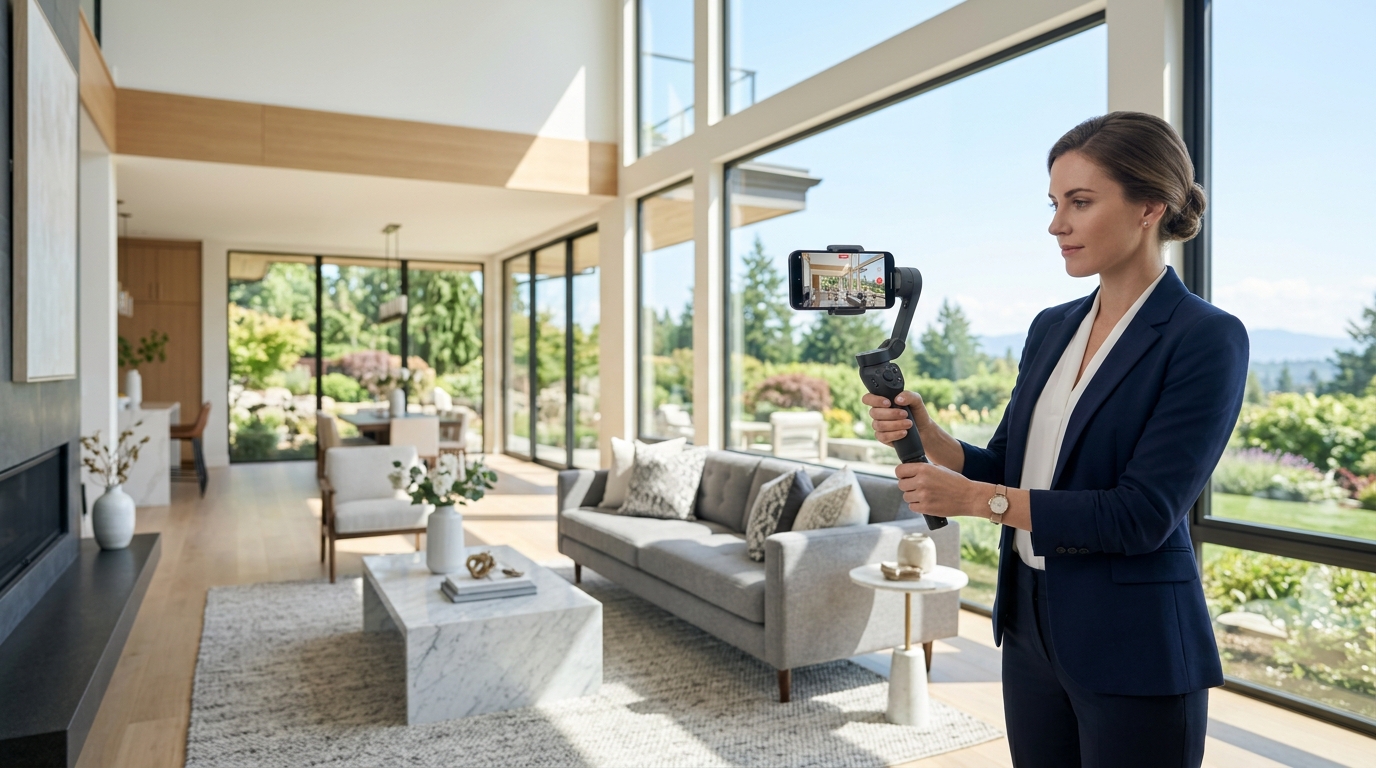
One of the best ways to do this is through video. Instead of a static shot, use a video walkthrough to show the motorized shades closing at the touch of a button or a smart oven preheating via a smartphone app. When deciding between formats, consider 3D Virtual Tours vs. Video Walkthroughs to see which will best showcase the flow of a tech-integrated property. For smart homes, a video walkthrough often wins because it captures motion and the "magic" of automation in real-time.
Don't forget to include close-up "lifestyle" shots of the interfaces. A high-resolution photo of a sleek iPad wall mount or a designer smart switch adds a touch of luxury and modernity that standard photos might miss.
3. Craft Copy That Sells the "Brain" of the Home
Your property description shouldn't read like a Best Buy circular. Instead of listing model numbers, describe the experience. For example, instead of saying "Includes Nest Thermostat," try: "Enjoy effortless comfort with a self-learning climate system that saves you money while you sleep."
We’ve talked before about 7 Real Estate Copywriting Tips to Make Your Property Descriptions Pop, and those rules definitely apply here. Use evocative language. Words like "seamless," "integrated," "intuitive," and "state-of-the-art" help frame the technology as a premium feature rather than a complicated gadget.
Featured Snippet: How do you list smart home features on the MLS?
To maximize visibility on the MLS, create a dedicated "Smart Home Features" section in your public remarks. List high-value items like smart thermostats, security cameras, and automated lighting first. Use keywords like "Energy Star certified," "Smart Home," and "Fully Integrated" to ensure your listing appears in filtered searches for tech-savvy buyers.
4. The "Tech Tour" Open House Strategy
Hosting an open house for a smart home requires a different approach. You want the house to perform for the guests. Set up "scenes" before people arrive. Have the "Entertaining Mode" active, with specific lighting levels and background music.
To really drive engagement, use technology to market the technology. You can use QR codes on yard signs or even on small placards throughout the house. A buyer can scan a code next to the smart hub and watch a 30-second clip of how the whole-house automation works. This not only educates the buyer but also positions you as a forward-thinking agent who knows how to handle high-tech real estate.
5. Address the Elephant in the Room: Privacy and Ease of Use
While many buyers love tech, a significant portion are intimidated by it. They worry about two things: "Is this going to spy on me?" and "Am I going to need a PhD to turn on the lights?"
In your marketing materials, include a small section or a handout titled "The Smart Home Transition." Explain that all accounts will be wiped and transferred to the new owner, ensuring their privacy. Mention if the systems are compatible with both Apple HomeKit and Google Home to reassure them that their existing devices will work perfectly.
Pro Tip: If the seller is willing, offer a "Tech Orientation" session as part of the closing process. Having the seller or a professional tech installer spend 30 minutes showing the buyer how to use the apps can be a powerful closing incentive.
6. Highlight the "Future-Proof" Nature of the Property
Smart home technology is an investment in the future. Modern buyers are looking for homes that won't feel dated in five years. Highlight features like Cat6 wiring, mesh Wi-Fi nodes, or EV charging stations in the garage. These are the "bones" of a smart home. Even if a buyer wants to change the specific gadgets, having the infrastructure in place is a massive value-add that justifies a higher price point.
Conclusion: Selling the Intelligent Home
Marketing a smart home is about more than just showing off gadgets; it's about proving that the home is designed to make the owner's life easier, safer, and more affordable. By using high-end visuals, lifestyle-focused copy, and interactive open house strategies, you can position these properties as the premium options they are.
Ready to make your smart home listing stand out from the competition? At The Listing Showcase, we specialize in the high-end photography, video walkthroughs, and virtual tours that bring tech-heavy homes to life. Don't let your listing's best features stay invisible—let's show buyers exactly what they're missing.