How to Market Smart Home Features: 7 Tips to Attract Tech-Savvy Buyers
Transform high-tech gadgets into high-value selling points with these expert marketing strategies.
The Magic of the Modern Home
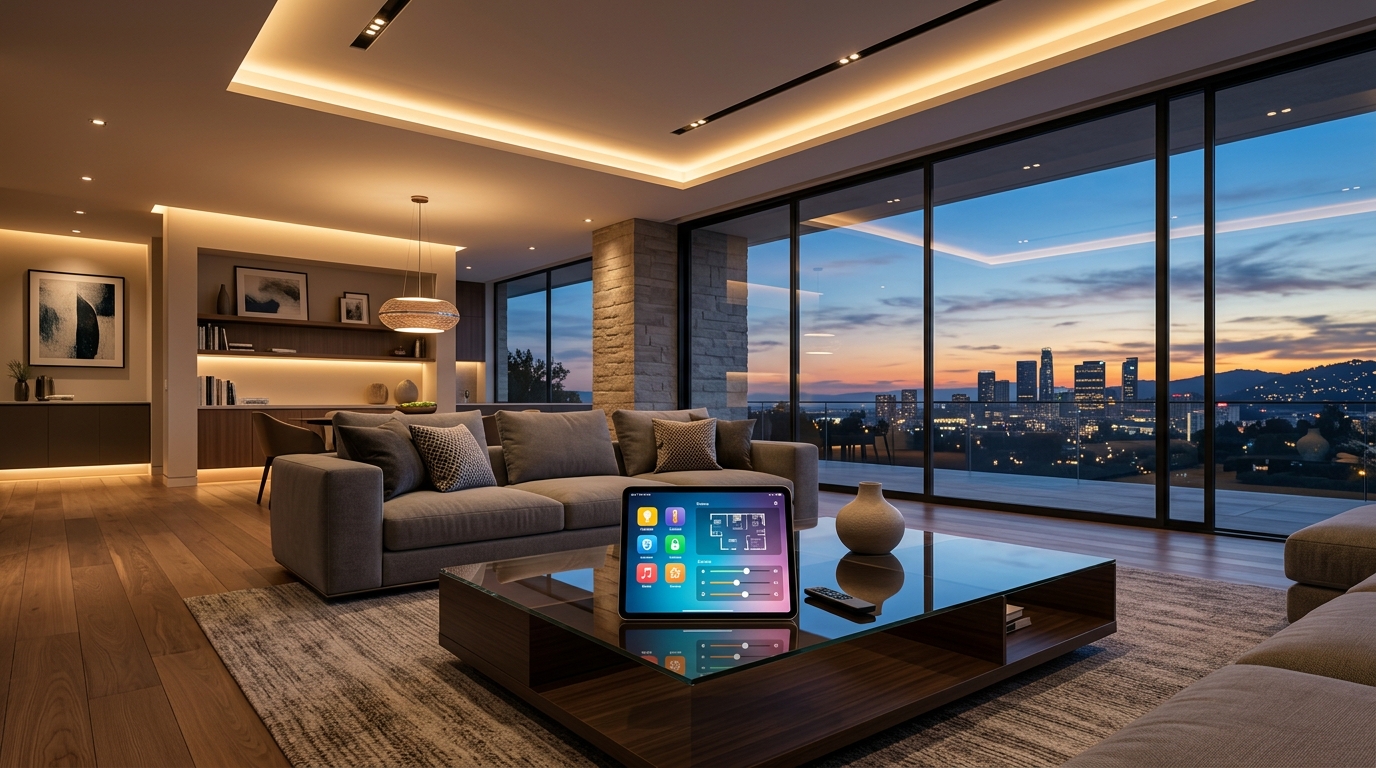
Picture this: You’re showing a sleek, contemporary property to a young couple. As you walk into the kitchen, you don’t reach for a light switch. Instead, you simply say, 'Siri, I’m home.' Instantly, the recessed lighting glows to a warm hue, the motorized shades glide upward to reveal a city view, and a curated jazz playlist begins to hum through invisible ceiling speakers. The look on the buyers' faces? Pure awe. That’s the power of smart home technology—when it’s marketed correctly.
However, simply having a smart thermostat or a video doorbell isn't enough to justify a premium price tag anymore. In a world where most people have a voice assistant in their pocket, tech-savvy buyers are looking for integrated ecosystems, not just a collection of gadgets. To truly market smart home features effectively, you need to stop selling hardware and start selling a frictionless lifestyle. Whether you are working with new construction homes or a retrofitted suburban gem, these seven tips will help you position your listing as a futuristic sanctuary.
1. Sell the Lifestyle, Not the Spec Sheet
One of the biggest mistakes realtors make is listing smart features as if they are reading the back of a box at Best Buy. 'Includes Nest Learning Thermostat Gen 3' doesn't spark much emotion. Instead, focus on the benefit of that technology. How does it change the buyer’s daily life?
Instead of focusing on the brand names, try phrases like:
- 'Never come home to a dark house again with automated exterior lighting.'
- 'Enjoy the peace of mind that comes with a home that alerts you the moment a leak is detected.'
- 'Wake up gently as your bedroom shades automatically rise with the sun.'
By framing these features as solutions to everyday inconveniences, you make the home feel more intuitive and luxurious. You aren't just selling a house; you're selling an extra fifteen minutes of sleep or a lower stress level during a vacation.
2. Create a 'Smart Home Highlight' Reel
If a buyer is scrolling through a portal and sees twenty photos of empty rooms, they might miss the fact that the home is powered by a sophisticated Control4 system. To attract tech-savvy buyers, your visual marketing needs to be just as advanced as the home itself.
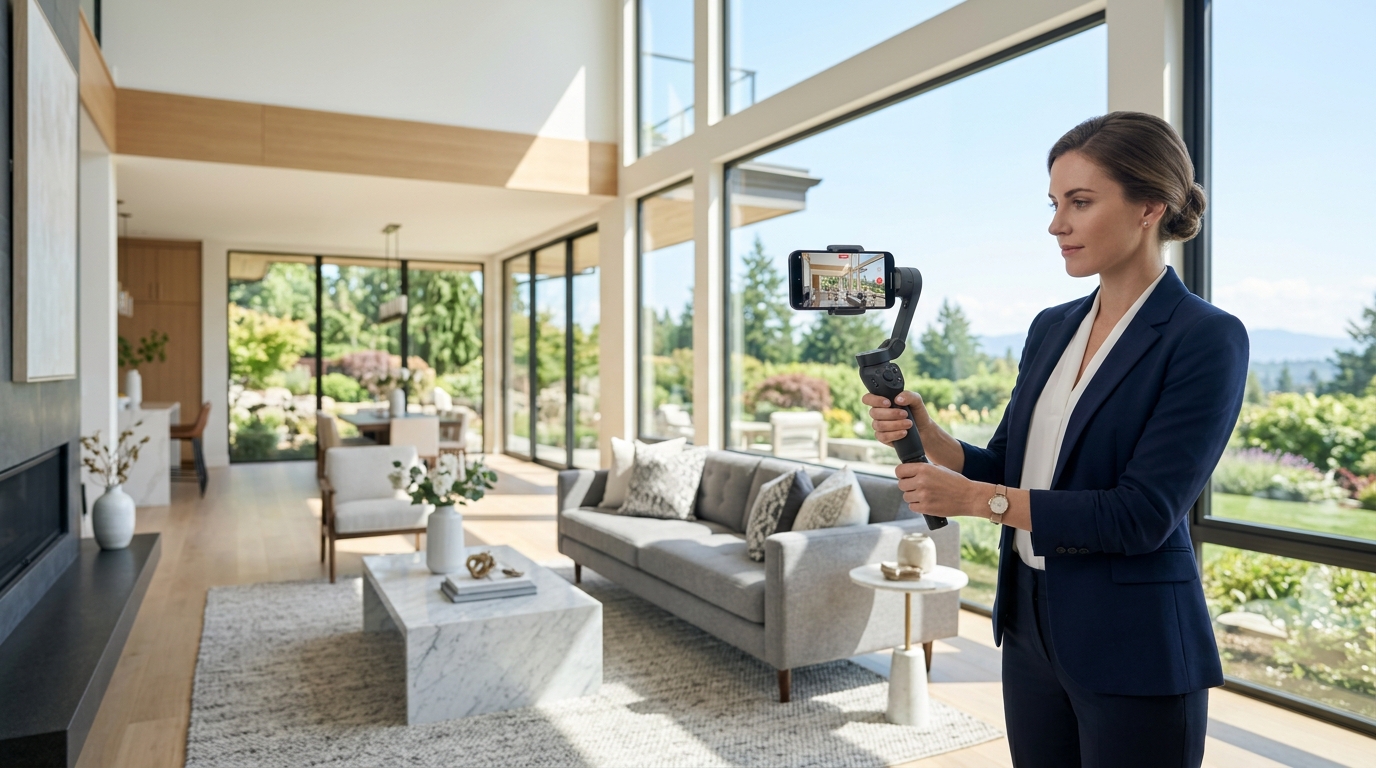
Standard photography often fails to capture the 'invisible' features of a smart home. This is where video becomes your best friend. A short, 60-second social media reel showing the home 'in action'—lights dimming, locks clicking, and fireplaces igniting via a smartphone—is worth more than a thousand words in a description. If you're looking for inspiration on how to structure these videos, check out our guide on listing video scripts to grab attention instantly.
Pro Tip: Use Overlay Icons
In your professional photos, consider adding subtle, high-end icons or text overlays that point out smart features. A small icon of a Wi-Fi signal or a 'Smart Enabled' badge in the corner of a kitchen photo can signal to a buyer that there’s more than meets the eye.
3. Highlight the ROI of Energy Efficiency
Tech-savvy buyers are often also eco-conscious buyers. They understand that a 'smart' home is often a 'green' home. When you market smart home features, make sure to emphasize the financial benefits. Smart irrigation systems, solar panel monitoring, and intelligent climate control aren't just cool—they’re cost-effective.
Ask the seller for a comparison of utility bills before and after the smart upgrades. Being able to say, 'The smart HVAC system has reduced cooling costs by 22% annually,' provides a concrete data point that appeals to the logical side of a buyer’s brain. In a market where carrying costs are high, showing that a home is 'optimized for efficiency' can be a massive competitive advantage.
4. Leverage 3D Tours to Showcase Integration
For out-of-town buyers or those who want to vet a property thoroughly before visiting, a 3D tour is non-negotiable. But don't just use a standard scan. Many 3D platforms allow for 'Mattertags'—clickable hotspots within the virtual environment.
Use these tags to explain the tech. When a buyer 'walks' through the laundry room in the virtual tour, they can click a tag on the smart washer to learn it sends a notification to the owner’s phone when the cycle is done. This level of detail proves that the home is truly 'smart' from the ground up. We've seen that 3D virtual tours help agents win more listings because they demonstrate a commitment to high-end marketing that tech-forward sellers appreciate.
5. Design a 'Tech Guide' for the Open House
Have you ever walked into an open house and seen a confusing array of tablets on the wall or five different remotes on the coffee table? It can be intimidating rather than inviting. To combat this, create a professional, printed 'Smart Home Guide' as part of your marketing collateral.
This guide should include:
- A list of all smart devices included in the sale.
- The platforms they use (e.g., Apple HomeKit, Amazon Alexa, Google Home).
- A 'How-To' for the most impressive features.
- Information on the home's internet infrastructure (e.g., Cat6 wiring, Mesh Wi-Fi systems).
By providing this, you remove the 'fear of the unknown.' You show the buyer that the system is manageable, user-friendly, and a genuine asset rather than a technical headache.
6. Master the Art of the 'Smart' Listing Description
Your listing description is your first opportunity to signal to the market that this isn't a standard property. You need to use keywords that tech-savvy buyers are searching for, such as 'integrated,' 'automated,' 'seamless,' and 'turn-key tech.'
Don't bury the smart features at the bottom of the text. Lead with them if they are a primary selling point. For instance: 'Experience the pinnacle of modern living in this fully automated smart home, where every comfort is controlled with a touch or a voice command.' If you need help refining your copy, read our expert advice on how to write compelling real estate listing descriptions.
7. Focus on Security and Peace of Mind
While the 'cool factor' of smart lights is great, the 'safety factor' is often a bigger driver for families. Features like smart locks, integrated security cameras, and remote-access garage doors are huge selling points.
In your marketing, tell a story of security. Mention how the parents can see when the kids get home from school via the door camera, or how the 'Away Mode' mimics occupancy by cycling lights while the family is on vacation. This shifts the narrative from 'gadgets' to 'protection,' which has a much higher emotional value.
Conclusion: The Future is Now
Marketing a smart home requires a blend of technical knowledge and emotional storytelling. By moving beyond a simple list of features and focusing on the lifestyle, efficiency, and security that technology provides, you position yourself as a forward-thinking agent who understands the needs of the modern buyer.
Are you ready to make your tech-heavy listings stand out? At The Listing Showcase, we specialize in high-end visual marketing that highlights the unique value of every property. From cinematic video tours to professional photography that captures the essence of a modern home, we help you win the listing and the buyer.