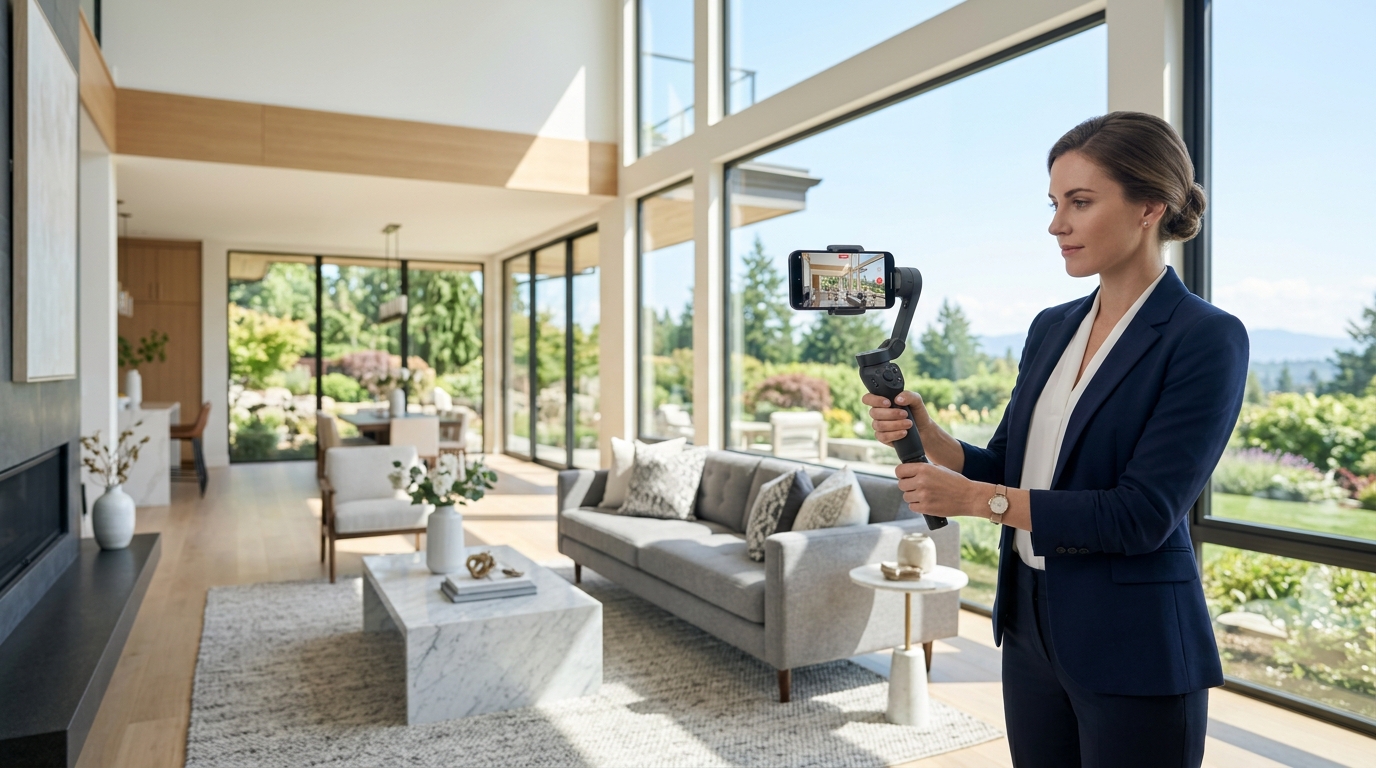
How to Market Vacant Land: Visual Strategies to Show Future Potential
Transform a patch of dirt into a buyer's dream home with these high-impact visual marketing tactics.
The 'Blank Canvas' Problem in Land Sales
Let’s be honest: selling a house is often easier than selling a patch of dirt. When you show a finished home, buyers can see the granite countertops, feel the plush carpet, and imagine where their sofa will go. But when you’re standing in the middle of a five-acre lot covered in brush and weeds? Most buyers just see... well, brush and weeds.
The biggest hurdle in learning how to market vacant land is overcoming a lack of imagination. Most people aren't developers or architects; they can't look at a slope and visualize a walk-out basement or a wrap-around porch. As a real estate professional, your job isn't just to sell the land—it's to sell the vision of what that land could become.
If you’re tired of your land listings sitting on the market while residential homes fly off the shelves, it’s time to change your visual strategy. We need to move away from static, ground-level photos of grass and move toward immersive, forward-looking content that answers the buyer’s biggest question: "What can I actually do with this?"
1. Master the Sky with Drone Photography
If there is one non-negotiable tool for land marketing, it’s the drone. Ground-level shots of land are notoriously flat and uninspiring. They fail to capture the scale, the shape, and the context of the property. A drone, however, provides a perspective that makes a buyer feel like they’re surveying their kingdom.
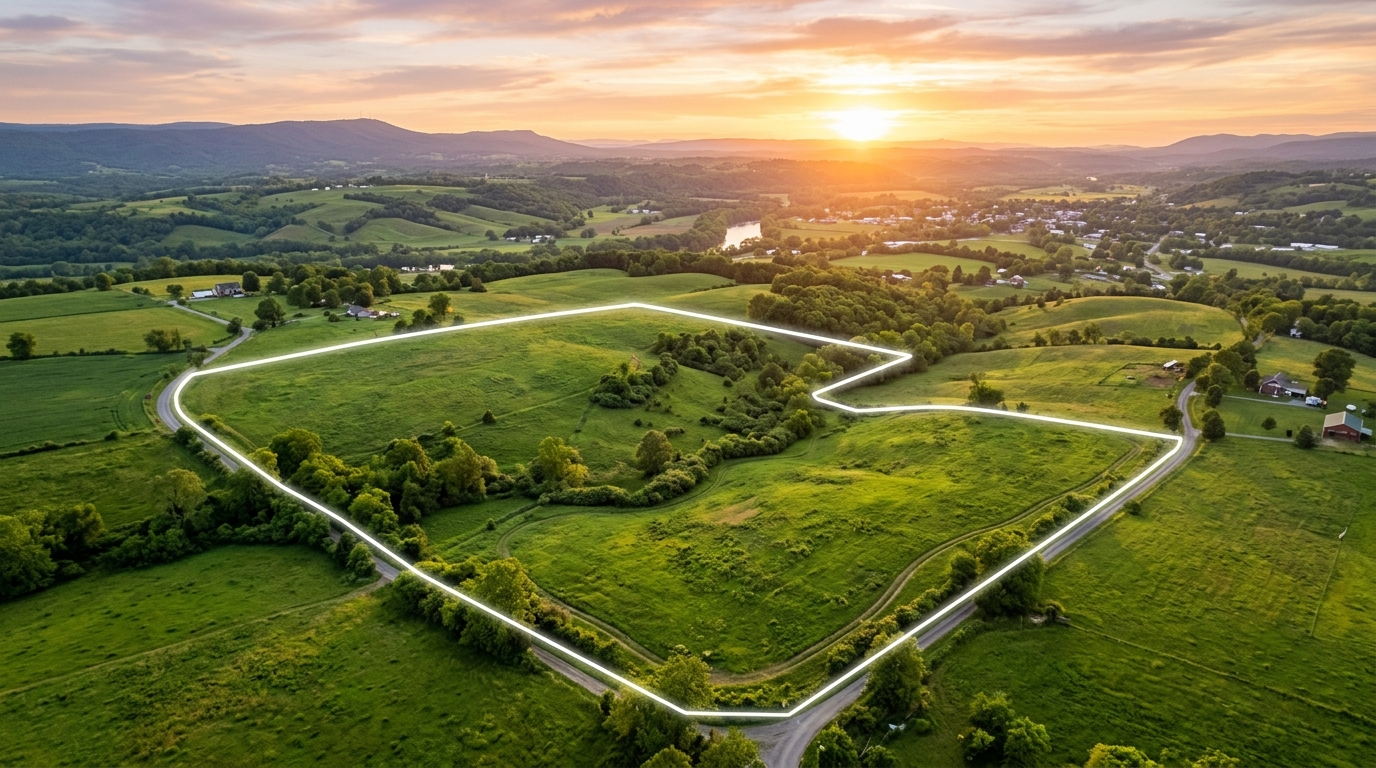
When using drone photography for real estate, you aren't just taking pretty pictures from the air. You’re providing essential data. High-altitude shots show the property boundaries in relation to neighboring parcels, while mid-range shots can highlight the specific building envelope.
Pro Tip: Don't just take photos; take a high-resolution 4K video. A slow, sweeping cinematic shot of the sun setting over the property line does more for buyer emotion than a dozen blurry cell phone pictures ever could. It establishes a sense of place and prestige that is vital for high-end land sales.
2. Use Digital Boundary Overlays
Have you ever walked a property with a buyer who kept asking, "Wait, is that oak tree on this lot or the neighbor's?" It’s a common frustration. To market vacant land effectively, you need to remove the guesswork.
Using professional editing software (or hiring a pro), you should overlay clear, colored lines on your drone photos to indicate the exact property boundaries. This is especially important for irregularly shaped lots or large acreage where the corners aren't easily visible from the road.
By clearly marking the perimeter, you’re providing a "site map" that feels official and trustworthy. It helps the buyer mentally claim the space. When they can see exactly where their domain ends and the neighbor’s begins, they start to feel a sense of ownership before they even make an offer.
3. Virtual Renderings: Building the Dream
This is where the magic happens. If the land is the canvas, a virtual rendering is the masterpiece. One of the most effective ways to show future potential is to have an architect or a 3D artist create a rendering of a home situated on the actual lot.
Just as we discuss in our guide on how to market a fixer-upper, visual aids that bridge the gap between "what is" and "what could be" are worth their weight in gold.
You don't need a full set of blueprints. Even a simple "conceptual rendering" showing a modern farmhouse or a luxury villa nestled among the existing trees on the lot can trigger a buyer’s emotional response. It transforms the listing from a "lot for sale" into "the site of your future home." This strategy is particularly powerful for luxury listings where the buyer is looking for a specific lifestyle that doesn't exist in the current inventory.
4. Highlight the 'Invisible' Assets
In land sales, some of the most important features are invisible to the naked eye. I’m talking about utilities, septic locations, and soil quality. While these sound boring, they are the first things a serious buyer or builder will look for.
Don't just list these in the fine print. Create visual infographics to include in your photo gallery:
- Utility Maps: Use icons to show where water, electric, and gas lines are located at the street.
- Septic/Well Visuals: If a perc test has already been completed, create a simple graphic showing the approved build site.
- Sun Path Diagrams: Show how the sun moves across the property to highlight where a garden might thrive or where a deck would get the best evening light.
By visualizing these technical aspects, you’re positioning yourself as a land expert and saving the buyer the headache of doing the initial due diligence themselves.
5. Selling the Lifestyle, Not Just the Dirt
Why would someone want to live here specifically? If the land is in a rural area, maybe it’s the peace and quiet. If it’s an infill lot in a city, it’s the proximity to the best coffee shops.
To capture this, you need to incorporate lifestyle imagery. This doesn't mean just taking photos of the dirt. Include shots of the local hiking trails, the nearby lake, or the charming downtown area two miles away. You want to weave a narrative.
When writing your descriptions, remember our 7 real estate copywriting tips: use evocative language that complements your visuals. Instead of saying "flat lot near town," try "a level, sun-drenched sanctuary just minutes from the Saturday morning farmers market." The visuals show the space; the copy sells the life they’ll lead within it.
6. Seasonal Photography: The Long Game
Land looks vastly different in the winter than it does in the spring. If you have a listing that you know might take a few months to sell, try to get photos from different seasons.
A buyer looking at a snow-covered field in January might have a hard time imagining the lush green canopy of July. If you have those summer shots on hand, you can show them the full cycle of the property’s beauty. It proves that the land is a year-round asset, not just a seasonal one.
7. The Power of a Virtual Tour (Yes, for Land!)
You might think 360-degree tours are only for interiors, but they are incredibly effective for vacant land. Using a 360-degree camera on a tripod at various points on the property allows an out-of-state buyer to "stand" in the middle of the lot and look around.
They can see the slope of the land, the distance to the road, and the proximity of the trees in a way that flat photos simply can't convey. In a world where more people are buying property sight-unseen, providing this level of immersion can be the deciding factor that gets you the contract.
Final Thoughts: Become a Visionary
Marketing vacant land is about moving the buyer from a state of "What is this?" to "What could this be?" By using drone technology, digital overlays, and conceptual renderings, you aren't just selling real estate—you’re selling a future.
The next time you take a land listing, don't just snap a few photos from your car window. Invest in a visual strategy that highlights the potential. When you show buyers the dream, the dirt sells itself.
Ready to elevate your land listings? At The Listing Showcase, we specialize in high-end visual storytelling that turns "for sale" into "sold." Contact us today to learn how our drone and rendering services can transform your next listing.