7 Reasons to Add Floor Plans to Your Real Estate Listing Strategy
Why spatial data is the secret weapon for modern agents to win more listings and close faster.
The Missing Link in Your Property Marketing
You’ve been there before. You’re scrolling through a beautiful gallery of 40 high-resolution photos. The kitchen is stunning, the primary suite looks like a spa, and the backyard is an entertainer’s dream. But then you hit a wall. You’re left wondering: Is the nursery actually next to the master bedroom, or is it down a long hallway? Is there a bathroom near the home office? How does the garage connect to the mudroom?
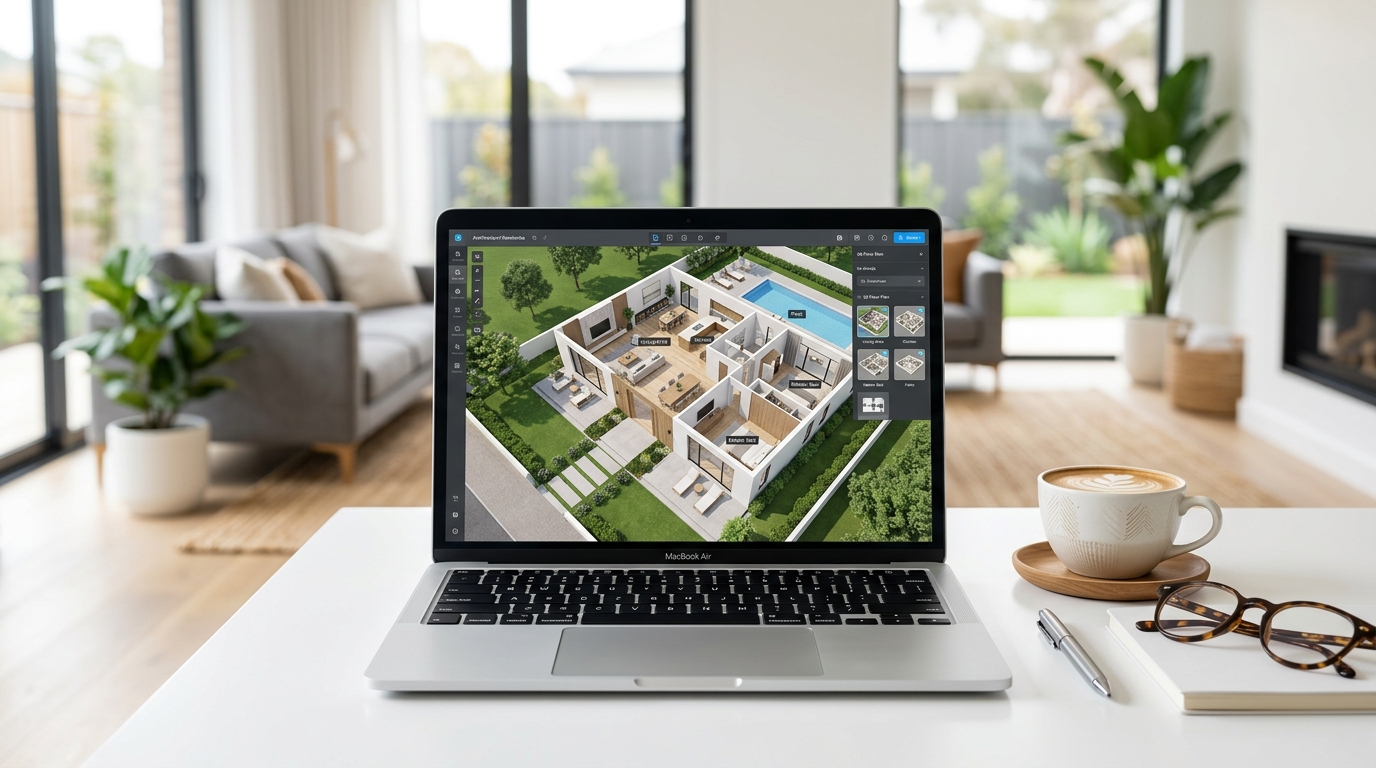
As a real estate professional, you know that photos tell the story of how a home looks, but floor plans tell the story of how a home lives. In a world where buyers are increasingly tech-savvy and time-poor, providing a clear, accurate floor plan isn’t just a ‘nice-to-have’ anymore—it’s a competitive necessity.
According to data from Zillow, floor plans are the 2nd most important feature on a listing, ranking right after professional photos. Yet, a surprising number of agents still skip this step. If you’re looking to elevate your real estate listing strategy, here are seven reasons why floor plans should be non-negotiable for every property you represent.
1. They Provide Essential Spatial Context
Let’s be honest: wide-angle lenses are great for making a small room look airy, but they can be incredibly deceptive. A 10x10 bedroom can look like a ballroom in a photo, leading to disappointment when a buyer finally steps through the door. This 'spatial confusion' can actually hurt your credibility.
A floor plan provides the 'truth' behind the photos. It gives buyers the exact dimensions and the relationship between rooms. When a buyer can see the flow of the house, they start to understand the logic of the layout. They can see that the kitchen flows into the dining room, which opens onto the deck—a crucial detail for anyone who loves hosting. If you’re also focusing on exterior appeal, you might find our guide on curb appeal photography tips helpful to ensure the outside matches the internal logic of the home.
2. They Facilitate the 'Mental Move-In'
Real estate marketing is as much about psychology as it is about property. You want a buyer to start imagining their life in the home before they even book a showing. This is often referred to as the 'mental move-in.'
When a buyer looks at a floor plan, they aren't just looking at lines on a page; they are placing their furniture. They’re thinking, ‘Will my sectional fit against that wall?’ or ‘Can I fit a king-sized bed in here and still have room for nightstands?’ This process creates an emotional bond with the property. By providing dimensions, you’re giving them the tools to move their life into the house in their mind. This is a classic example of using emotional visual triggers in real estate marketing to build a connection that goes beyond a pretty picture.
3. They Are a Lifeline for Remote Buyers
The way people buy homes has changed forever. We are seeing more out-of-state relocations and international investors than ever before. For these buyers, a physical walkthrough might not happen until they are already under contract.
How do you win the trust of someone who is 2,000 miles away? You provide a comprehensive digital twin of the property. A floor plan, especially when paired with a 3D tour or video, allows a remote buyer to navigate the space with confidence. It bridges the gap between 'seeing' a home and 'understanding' it. If you’re working with a high volume of relocation clients, check out our deep dive on how to market listings to remote buyers with immersive visual tools.
4. They Filter Out 'Looky-Loos' and Save You Time
How many times have you spent an hour showing a home, only for the buyer to say at the very end, 'I really needed a bedroom on the main floor,' or 'This layout just doesn't work for my home office needs'? It’s a waste of your time, the seller's time, and the buyer's time.
Including a floor plan in your listing acts as a pre-qualification tool. Buyers who need specific layouts—like a split-wing floor plan for privacy or a kitchen that overlooks the backyard to keep an eye on the kids—can identify if the home meets their needs immediately. This means the people who actually schedule a showing are much more likely to be serious contenders. You’re trading quantity for quality, which is always a winning strategy in real estate.
5. They Boost Your SEO and Portal Ranking
The major real estate portals (Zillow, Realtor.com, Redfin) have algorithms just like Google. They want to show users the most complete, high-quality listings first. Listings that include floor plans often get a 'boost' in search results because the platforms know this is what users want to see.
Furthermore, when a buyer spends more time on your listing—toggling between photos and the floor plan—it sends a signal to the portal that your listing is engaging. This increased 'dwell time' can lead to higher rankings in search results, more views, and ultimately, more leads. It’s a simple way to get more eyes on your property without spending an extra dime on advertising.
6. They Make Your Brand Look More Professional
In a competitive market, your listing presentation is your resume. When you sit down with a potential seller and show them a marketing package that includes professional photography, drone shots, and detailed 2D/3D floor plans, you distinguish yourself from the 'hobbyist' agents.
It shows that you are invested in the property and that you use every tool at your disposal to get the best result. Sellers want to know that their home will be presented in the best possible light. Mentioning your commitment to spatial marketing is a great addition to your modern listing presentation tips. It’s a tangible deliverable that proves your value and justifies your commission.
7. They Help Buyers See 'Potential' in Fixer-Uppers
Selling a home that needs a little TLC? Photos of a dated, cramped kitchen can be a turn-off. However, a floor plan can show a buyer that the kitchen is actually right next to an unused dining room, and by knocking down one non-load-bearing wall, they could have the open-concept space of their dreams.
Floor plans allow buyers to look past the wallpaper and the old carpet to see the 'bones' of the house. It’s much easier to visualize a renovation when you have a bird's-eye view of the layout. For listings that aren't quite 'Pinterest-ready,' a floor plan is often the most important marketing asset you have.
The Bottom Line
Adding floor plans to your real estate listing strategy isn't just about providing data; it's about providing a better experience for the buyer and a more professional service for the seller. It’s a low-cost, high-impact tool that solves the number one complaint buyers have: not understanding the layout of a home.
Ready to take your listings to the next level? Start including a floor plan on your next property and watch the engagement soar. Your clients (and your sanity) will thank you.
Quick Tips for Better Listing Floor Plans:
- Always include dimensions: A floor plan without measurements is only half as useful.
- Label every room: Don't leave them guessing which room is the 'flex space' and which is the fourth bedroom.
- Show the 'total' square footage: This helps buyers compare value across different listings.
- Include major fixtures: Show where the stove, fridge, and bathroom fixtures are located to give a sense of utility.
- Make it downloadable: Many buyers like to print floor plans and take them to the showing to take notes.