7 Ways to Use Lifestyle Photography to Tell a Story
Master the art of visual storytelling to connect with buyers and sell homes faster.
The 'Zillow Fatigue' Is Real—Here’s How to Break It
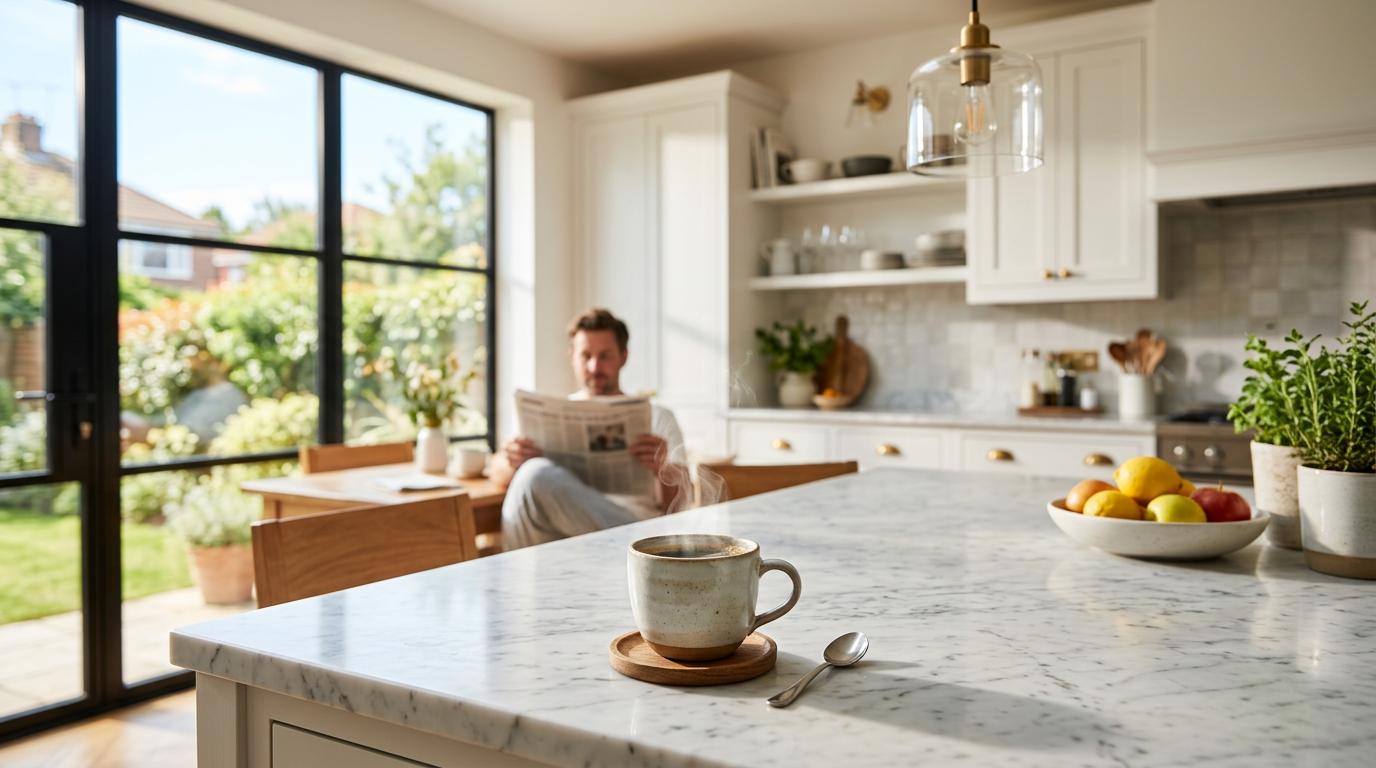
Imagine your ideal buyer, Sarah. She’s been scrolling through real estate apps for forty-five minutes. After the twentieth 'bright and airy' living room with beige walls and a gray sofa, everything starts to blur together. Her thumb is on autopilot. Suddenly, she stops. She isn't looking at a wide-angle shot of a kitchen; she’s looking at a close-up of a steaming espresso sitting next to a half-peeled orange on a sun-drenched marble island. She can almost smell the coffee. She can see herself there on a Sunday morning.
That’s the power of lifestyle photography. While standard architectural shots tell a buyer *what* a house looks like, lifestyle photography tells them *how they will feel* living there. In a market where every agent has access to a decent camera, storytelling is what separates the high-volume producers from the rest of the pack.
If you're ready to stop selling floor plans and start selling dreams, here are seven ways to use lifestyle photography to tell a compelling story and move your listings faster.
1. Focus on the 'Micro-Moments'
Standard real estate photography is obsessed with the big picture—the wide-angle lens that makes a 10x10 bedroom look like a ballroom. But lifestyle photography lives in the details. These 'micro-moments' humanize a property. Think of a stack of vintage books on a nightstand, a pair of leather boots tucked neatly by a mudroom bench, or a glass of wine resting on a patio table next to a fire pit.
These shots work because they invite the viewer to step into the frame. When you're following 10 real estate photography tips that sell homes faster, remember that the goal isn't just to show the room; it's to show the life that happens within it. A close-up of a high-end range with a pot of fresh pasta water boiling tells a story of family dinners and hosting friends, which is far more evocative than a sterile shot of an appliance.
2. Sell the Neighborhood, Not Just the Walls
A home doesn't exist in a vacuum. The person buying that house is also buying the local coffee shop, the nearby park, and the vibe of the street. If you only show the interior, you're only telling half the story. Use lifestyle photography to capture the essence of the surrounding community.
Take a shot of the local artisan bakery down the street or the kids playing in the park three blocks away. This is especially effective when you learn how to use neighborhood guides to build authority and win more listings. By integrating professional lifestyle shots of the area into your listing presentation, you show the seller that you aren't just a local agent—you're a local expert who understands the unique 'soul' of their neighborhood.
3. Use 'Ghost' Human Elements
You don't necessarily need professional models to create a lifestyle feel. In fact, sometimes having a clear face in a photo can be distracting, as the buyer might struggle to see themselves in that person's place. Instead, use 'ghost' human elements.
What does this look like? It’s a blurred figure in the background of a kitchen shot, a hand reaching for a book on a shelf, or a child’s bicycle left leaning against a tree in the backyard. These subtle hints of humanity suggest that the home is loved and lived-in. It breaks the 'museum' feeling that many staged homes suffer from and makes the space feel attainable and warm.
4. Leverage the 'Golden Hour' for Emotional Impact
Lighting is the most powerful tool in a photographer's kit for setting a mood. While bright, midday light is great for showing off white cabinets, the 'Golden Hour'—that window of time just before sunset—is where the magic happens for lifestyle shots.
The long shadows and warm, amber hues create a sense of peace and nostalgia. A photo of a deck bathed in the orange glow of a setting sun suggests relaxation and the end of a long day. If you are working with premium properties, this approach is a staple of how to market a luxury listing. It’s about creating an atmosphere of exclusivity and serenity that a standard 12:00 PM shoot simply can’t replicate.
5. Tailor the Narrative to Your Target Buyer Persona
Before the photographer arrives, ask yourself: Who is going to buy this house? Is it a young professional who needs a sleek home office and a spot for cocktail hour? Or is it a growing family looking for a backyard big enough for a swing set and a dog?
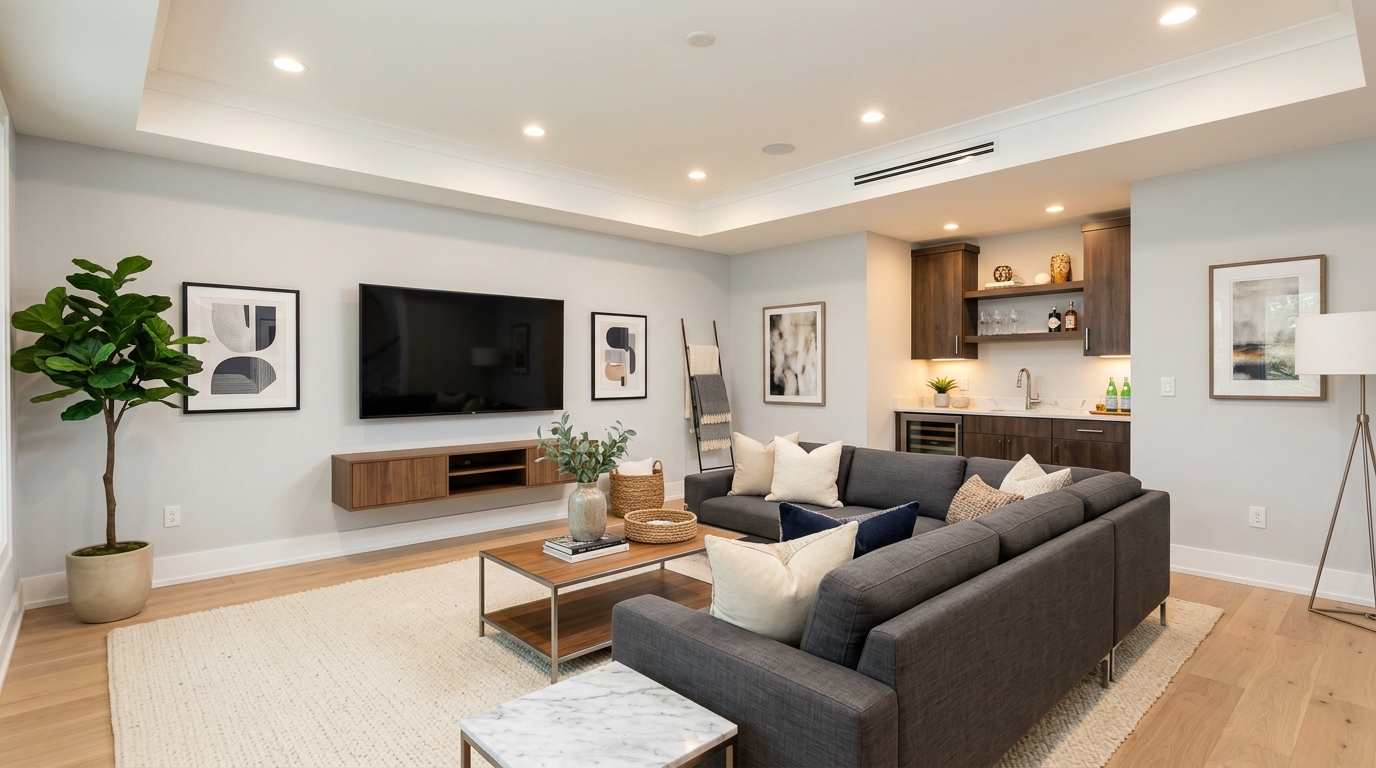
Your lifestyle photography should reflect that persona. For a bachelor pad, focus on the wet bar, the tech-heavy media room, and the minimalist aesthetic. For a family home, focus on the mudroom cubbies, the oversized pantry, and the sunroom where kids might do homework. When you speak directly to the buyer's specific lifestyle needs through your visuals, you reduce the time it takes for them to make an emotional 'yes' decision.
6. Highlight the 'Third Space'
Since 2020, the way we use our homes has changed forever. The 'Third Space'—that area of the home that isn't just for sleeping or eating—has become a massive selling point. This could be a yoga nook, a dedicated home office, a craft room, or a home gym.
Don't just take a wide shot of the spare bedroom and call it an office. Use lifestyle photography to *show* it as an office. Place a high-end laptop on the desk, a designer lamp, and a fresh green plant. Make it look like a place where someone could actually be productive and inspired. By defining these flexible spaces through lifestyle imagery, you help buyers justify the purchase because they can see exactly how the home fits their modern, multi-faceted lives.
7. Use Seasonal Storytelling to Create Urgency
Lifestyle photography allows you to lean into the current season to create a sense of 'now.' In the winter, a shot of a crackling fireplace with a cozy knit blanket draped over a chair makes the home feel like a sanctuary from the cold. In the summer, a tray of iced tea on the porch suggests a breezy, carefree life.
This seasonal approach creates an emotional hook that feels timely. It tells the buyer, 'This is the life you could be having right now.' It’s a subtle psychological nudge that can move someone from 'just looking' to 'booking a showing.'
Bringing It All Together
At the end of the day, real estate is a business of emotion. People buy homes because of how they feel, and they use logic to justify that feeling later. Lifestyle photography is the fastest way to trigger that emotional response. By focusing on micro-moments, neighborhood vibes, and targeted narratives, you aren't just listing a property—you're telling a story that a buyer wants to be a part of.
Ready to elevate your listings with world-class visual storytelling? At The Listing Showcase, we specialize in high-end marketing strategies that make your properties stand out and sell. Contact us today to see how we can help you win more listings and wow your clients.