How to Market a Luxury Listing: High-End Real Estate Strategy
Beyond the MLS: Crafting a Lifestyle Narrative to Attract High-Net-Worth Buyers
The Art of Selling the Exceptional
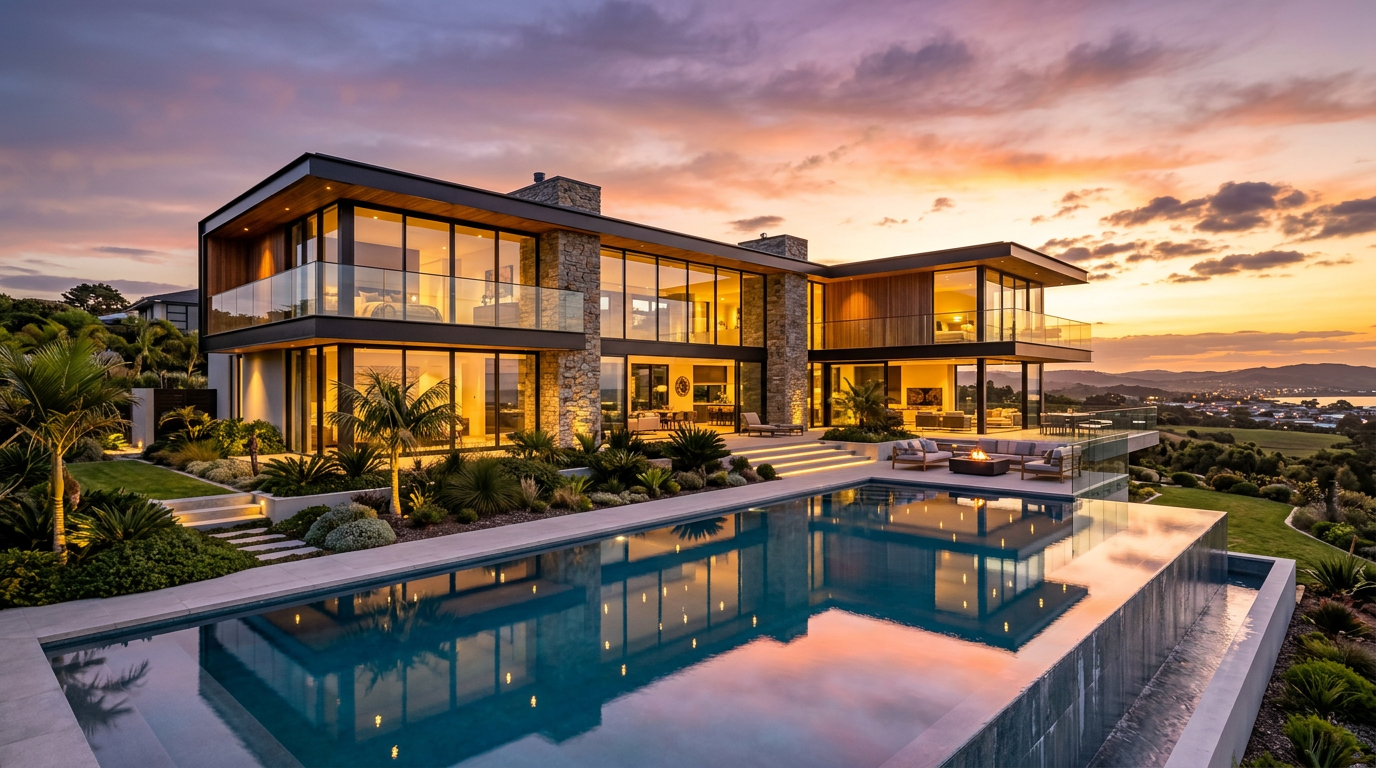
You’ve finally landed that $5 million listing. The views are breathtaking, the finishes were imported from a quarry in Italy that most people can't pronounce, and the primary suite is larger than most starter homes. But now comes the real challenge: how do you actually find the person who can afford it? When you're dealing with high-end real estate, the standard 'post it and pray' method simply won't cut it. You aren't just selling four walls and a roof; you’re selling a legacy, a status symbol, and a very specific lifestyle.
To successfully market a luxury listing, you have to shift your mindset. Standard listings are about utility—square footage, bedroom counts, and school districts. Luxury listings are about emotion, exclusivity, and the 'wow' factor. If you want to capture the attention of high-net-worth individuals (HNWIs), your marketing needs to be as sophisticated as the property itself. Let’s dive into the strategies that separate the top-tier luxury agents from the rest of the pack.
1. Master the Psychology of the Luxury Buyer
Before you snap a single photo, you need to understand who you’re talking to. Luxury buyers don't buy out of necessity; they buy out of desire. They are often looking for privacy, security, and a home that reflects their personal brand. Some are looking for a quiet sanctuary to escape the public eye, while others want a trophy property to host gala-level events.
Understanding buyer psychology secrets is critical here. A luxury buyer isn't comparing price per square foot in the same way a first-time homebuyer does. They are looking for 'one-of-one' features. Is there a temperature-controlled wine cellar that holds 2,000 bottles? Is there a private dock with deep-water access? Focus your marketing copy on these unique assets. Use evocative language that helps them visualize their life in the space. Instead of saying 'large patio,' try 'expansive limestone terrace designed for sunset entertaining.'
2. Invest in Cinematic Storytelling
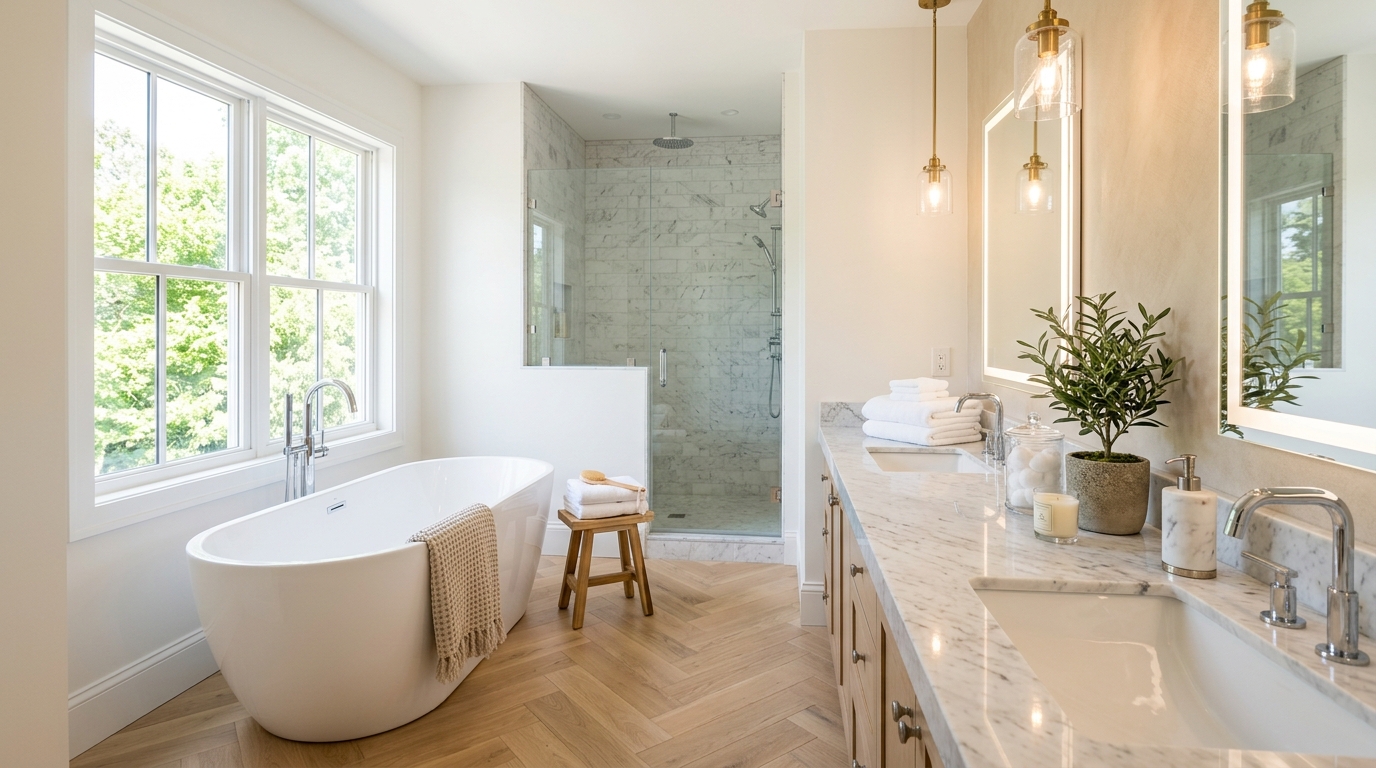
In the high-end world, 'good enough' is a deal-breaker. If your listing photos look like they were taken on a whim, a luxury buyer will keep scrolling. You need a comprehensive visual suite that tells a story. This starts with professional architectural photography, but it shouldn't end there.
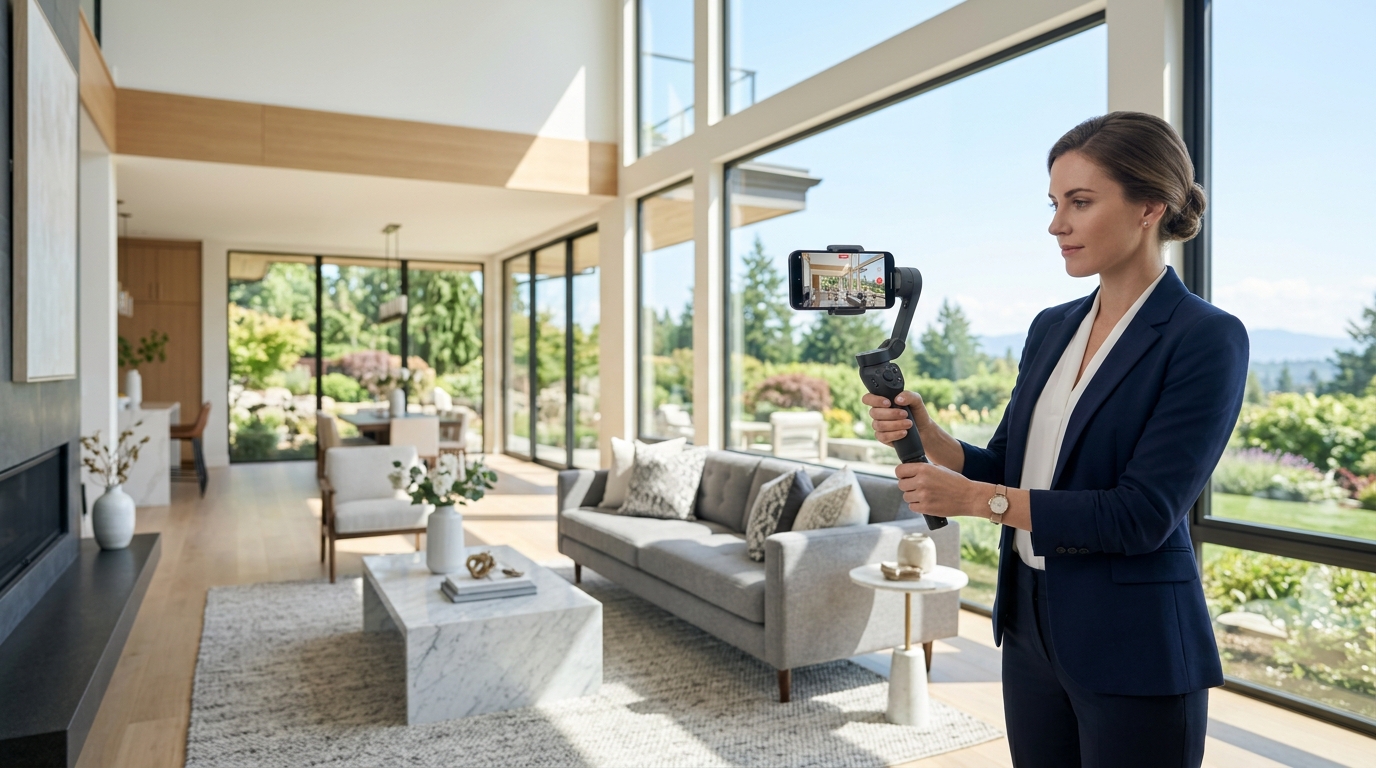
Video is no longer optional in this space. A well-executed Real Estate Video Marketing Strategy can be the difference between a listing that lingers and one that sparks a bidding war. For luxury properties, think beyond the walkthrough. Use cinematic drone shots to show the estate's relationship to the surrounding landscape. Consider a 'lifestyle' video that features actors enjoying the amenities—a couple clinking glasses by the infinity pool or a chef preparing a meal in the pro-grade kitchen. You want the viewer to feel the atmosphere of the home before they ever step through the front door.
The Role of Drone Tech
For estates with significant acreage or waterfront views, drone footage is your best friend. It provides a sense of scale and privacy that ground-level shots simply can't capture. It highlights the gated entrance, the winding driveway, and the proximity to local landmarks, all of which are high-priority items for the luxury demographic.
3. Strategic Staging: Creating a Curated Experience
Empty rooms feel cold, and in luxury real estate, cold is the enemy. However, over-cluttered or poorly styled rooms are just as bad. Luxury staging is an art form. It’s not about filling a room with furniture; it’s about curating a vibe that feels both aspirational and lived-in.
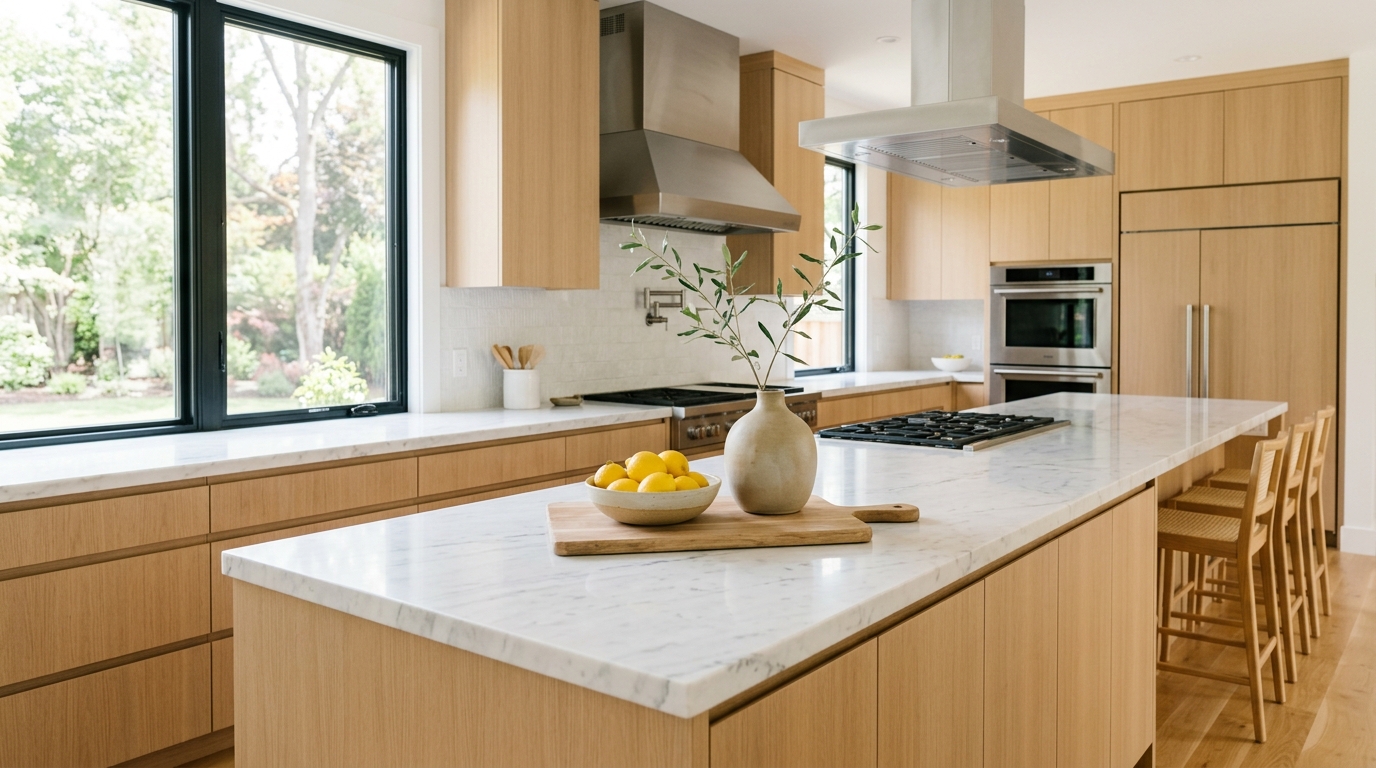
When staging your home for sale at this level, consider hiring a stager who specializes in high-end interiors. They might bring in original artwork, designer furniture, and high-end textiles that resonate with a sophisticated palette. The goal is to make the home look like a spread in Architectural Digest. Remember, the buyer is often buying the furniture too—or at least the lifestyle it represents. If the staging looks cheap, the house feels cheap.
4. Leverage Hyper-Local Expertise and Data
Luxury buyers are savvy investors. Even if they are buying a primary residence, they want to know that their investment is sound. This is where your role as a consultant comes into play. You must be able to master local market trends to provide the context they need.
Be prepared to discuss the appreciation rates of the neighborhood, upcoming luxury developments nearby, and the 'micro-market' nuances that affect value. If you can explain why a property on the north side of the street is worth 15% more than the south side due to light exposure or view corridors, you gain immediate credibility. High-end clients value expertise above all else.
5. Digital Precision: Beyond the MLS
While the MLS is a tool, it’s rarely where the luxury deal is closed. You need a multi-channel digital strategy that targets the right eyeballs. HNWIs aren't spending all day on Zillow; they are on LinkedIn, reading the Wall Street Journal, or browsing Mansion Global.
- Social Media Advertising: Use highly targeted Facebook and Instagram ads. Instead of targeting 'everyone interested in real estate,' target people interested in luxury brands (Tesla, Rolex, Ritz-Carlton) and specific high-income zip codes.
- Exclusive Portals: Ensure your listing is featured on international luxury sites like JamesEdition, LuxuryPortfolio.com, or Christie’s International Real Estate. Many luxury buyers are international, and your marketing needs to reach them where they live.
- Email Marketing: Send a high-end, beautifully designed digital brochure to your network of other luxury agents. Personal relationships are still the currency of the high-end market.
6. The 'Invite-Only' Event
Forget the standard Sunday afternoon open house with a plate of cookies. For a luxury listing, you want to create an event. Think 'Twilight Preview' with a live harpist, a curated wine tasting, or a showcase of exotic cars in the motor court.
The goal isn't to get 50 random people through the door; it's to get 10 of the right people. Invite local influencers, luxury buyer agents, and neighbors (who often know someone looking to move into the area). By making the viewing exclusive, you increase the perceived value and urgency of the property. It becomes a social occasion rather than a chore.
7. Privacy and Discretion
One aspect of luxury marketing that is often overlooked is the need for privacy. Many high-profile sellers do not want their home's interior blasted across every corner of the internet for security reasons. In these cases, you might employ a 'pocket listing' or 'off-market' strategy.
This involves creating a 'blind' marketing package that highlights the features without revealing the exact address or identifying exterior shots. You then share this only with a vetted list of qualified buyers and top-tier agents. This air of mystery can actually drive up demand among the elite, as they value the exclusivity of seeing something the general public cannot access.
Final Thoughts
Marketing a luxury listing is a marathon, not a sprint. It requires a significant upfront investment in time, money, and creative energy. But when you get it right—when the storytelling, the visuals, and the networking align—the results are spectacular. You aren't just a real estate agent; you're a curator of dreams. By focusing on the emotional resonance of the property and utilizing high-end marketing tools, you’ll not only sell the home but also solidify your reputation as a leader in the luxury space.
Ready to elevate your next listing? Start by refining your visual narrative and focusing on the unique story every luxury home has to tell. Your next record-breaking sale is just one well-executed strategy away.