Staging Your Home for Sale: Maximize Offers & Appeal
Unlocking Higher Offers: The Realtor's Guide to Strategic Home Staging for Unforgettable First Impressions
Ever walked into a home for a showing and just felt… nothing? Or worse, felt a subtle sense of disinterest, even before you'd seen all the rooms? That's the silent killer of potential offers, and it's often entirely avoidable. As real estate professionals, we know that selling a home isn't just about the property itself; it's about selling a lifestyle, a dream, a future. And a crucial, often underestimated, tool in that arsenal is staging your home for sale.
It's not just about rearranging furniture or adding a few decorative pillows. Strategic home staging is a powerful marketing technique that transforms a house into a captivating product, designed to appeal to the broadest possible buyer pool. It’s about creating an emotional connection, helping prospective buyers envision themselves living in that space, and ultimately, maximizing offers and appeal for your listings. Let's dive deep into how you can leverage this invaluable strategy to achieve stellar results for your clients.
What Exactly is Home Staging, Anyway?
Think of home staging as preparing a product for market. When you buy a new car, it's meticulously detailed, showroom-ready, and presented in its best light. You wouldn't expect to buy a car straight off the assembly line, dirty and disorganized, right? The same principle applies to homes.
Home staging is the art and science of preparing a private residence for sale in the real estate market. The goal is to make a home appealing to the highest number of potential buyers, thereby selling it more quickly and for a higher price. This involves decluttering, depersonalizing, cleaning, repairing, and often rearranging or adding furniture and decor to highlight the home's best features and create an inviting atmosphere.
Why Staging Isn't Just "Fluff" – It's a Strategic Investment
Some sellers might view staging as an unnecessary expense, a luxury rather than a necessity. But as agents, we know better. Staging isn't about decorating; it's about de-personalizing and de-cluttering to showcase the home's potential, allowing buyers to project their own lives onto the space. It’s a calculated investment that consistently delivers impressive returns.
The Psychology Behind a Perfectly Staged Home
Buyers are emotional creatures. They're not just buying walls and a roof; they're buying a feeling, a future. When a home is staged effectively, it taps into these emotions. It helps buyers overcome the mental hurdle of seeing someone else's life in the home and instead visualize their own. A well-staged home feels cared for, well-maintained, and move-in ready. It suggests a certain standard of living and simplifies the buyer's decision-making process by presenting a clear, aspirational vision.
Want to delve deeper into how buyers make decisions? Understanding Buyer Psychology Secrets: Close More Real Estate Deals Faster can give you an edge in every aspect of your sales process, including how to best present staged homes.
The ROI of Staging: Numbers Don't Lie
While exact figures can vary by market and property type, numerous studies and industry reports consistently show a significant return on investment for home staging:
- Faster Sales: Staged homes typically spend significantly less time on the market than un-staged homes. Some reports suggest staged homes sell 7-17% faster.
- Higher Offers: Staging can increase a home's selling price by 5-20%. Buyers are often willing to pay more for a home that feels perfect and requires no immediate work.
- Enhanced Online Appeal: In today's digital-first market, professional photos of a beautifully staged home are crucial for capturing attention online, leading to more showings and more offers.
Think about it: for an average staging cost, often just 1-3% of the home's list price, your clients could see a potential increase in sale price that far outweighs the initial outlay. It's a no-brainer when you frame it as an investment, not an expense.
The Core Principles of Effective Home Staging
Successful staging isn't random; it follows a set of universal principles designed to appeal to the masses. Here's what you and your clients need to focus on:
Declutter & Depersonalize: Create a Blank Canvas
This is arguably the most critical step. Buyers can't envision their lives in a home if it's overflowing with someone else's belongings, family photos, and quirky collections. Encourage your clients to:
- Pack Away Personal Items: Family photos, diplomas, memorabilia, unique art. These are lovely for living, but distractions for selling.
- Clear Surfaces: Kitchen counters, bathroom vanities, bookshelves – less is more. Store small appliances, excessive toiletries, and knick-knacks.
- Minimize Furniture: Remove any pieces that make a room feel cramped or impede traffic flow. Store excess items in a rented storage unit if necessary.
Cleanliness & Odor Neutralization: A Fresh Start
A sparkling clean home sends a powerful message that the home has been well-maintained. Any lingering odors (pets, smoke, cooking) can be an instant turn-off. Recommend:
- Deep Clean: Every nook and cranny. Floors, windows, baseboards, appliances, grout, light fixtures – don't miss a spot. Consider professional cleaning services.
- Address Odors: Identify and eliminate sources of unpleasant smells. Open windows, use air purifiers, fresh flowers, or subtle diffusers (avoid overpowering scents).
- Fresh Linens: Use clean, neutral-colored towels in bathrooms and fresh bedding in bedrooms.
Repair & Maintain: Eliminate Red Flags
Small imperfections can loom large in a buyer's mind, making them wonder what bigger issues might be lurking. Encourage your clients to fix:
- Minor Repairs: Leaky faucets, sticky doors, chipped paint, loose cabinet handles, non-functioning light bulbs.
- Touch-Ups: Scuff marks on walls, worn paint, damaged trim.
- Functionality: Ensure all lights work, doors open and close smoothly, and appliances are in good repair.
Optimize Layout & Flow: Guide the Eye
Furniture arrangement should highlight the room's best features, maximize space, and create clear pathways. The goal is to make rooms feel spacious and functional.
- Define Spaces: Even in open-concept layouts, use furniture to subtly define living, dining, and work areas.
- Create Pathways: Ensure buyers can move easily through each room without bumping into furniture.
- Highlight Architectural Features: Position furniture to draw attention to fireplaces, built-ins, or large windows.
Light & Brightness: Illuminate Potential
Bright, well-lit spaces feel larger, more inviting, and more cheerful. Maximize both natural and artificial light:
- Open Curtains/Blinds: Let in as much natural light as possible. Clean windows make a huge difference.
- Increase Wattage: Use the highest safe wattage light bulbs in all fixtures to brighten rooms.
- Add Lighting: Incorporate floor or table lamps to brighten dim corners and create warmth.
- Mirrors: Strategically placed mirrors can reflect light and make rooms feel larger.
Neutral Palette, Strategic Accents: Broad Appeal
While your client might love their vibrant orange accent wall, it could alienate a large segment of buyers. Neutral colors create a calming, sophisticated backdrop that allows buyers to easily imagine their own decor.
- Paint Walls: Consider repainting bold or dated colors with popular neutrals like off-white, light gray, or greige.
- Subtle Accents: Introduce pops of color through throw pillows, artwork, or fresh flowers to add visual interest without overwhelming the space.
- Texture: Use different textures (knits, woods, metallics) to add depth and warmth to a neutral room.
Room-by-Room Staging Strategies
Each room presents unique staging opportunities. Here's how to approach the most important spaces:
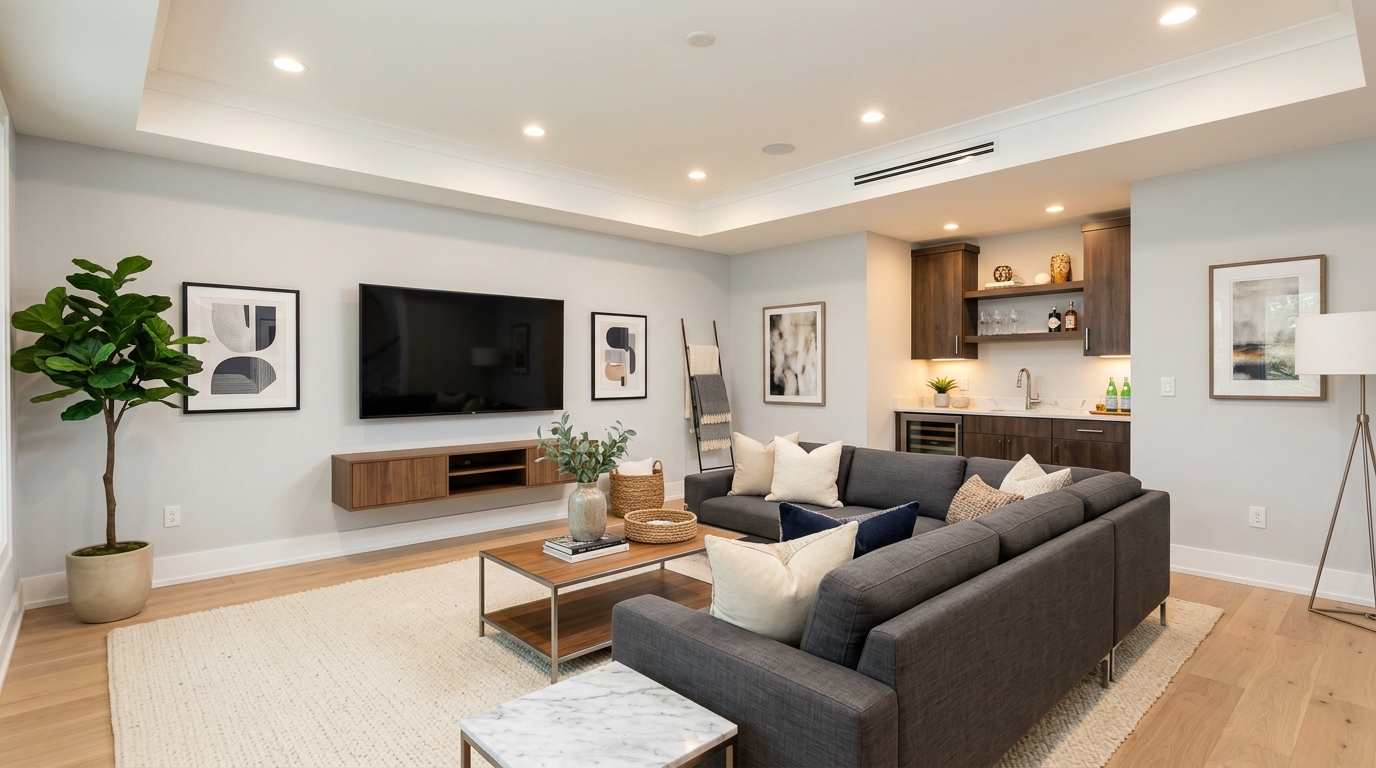
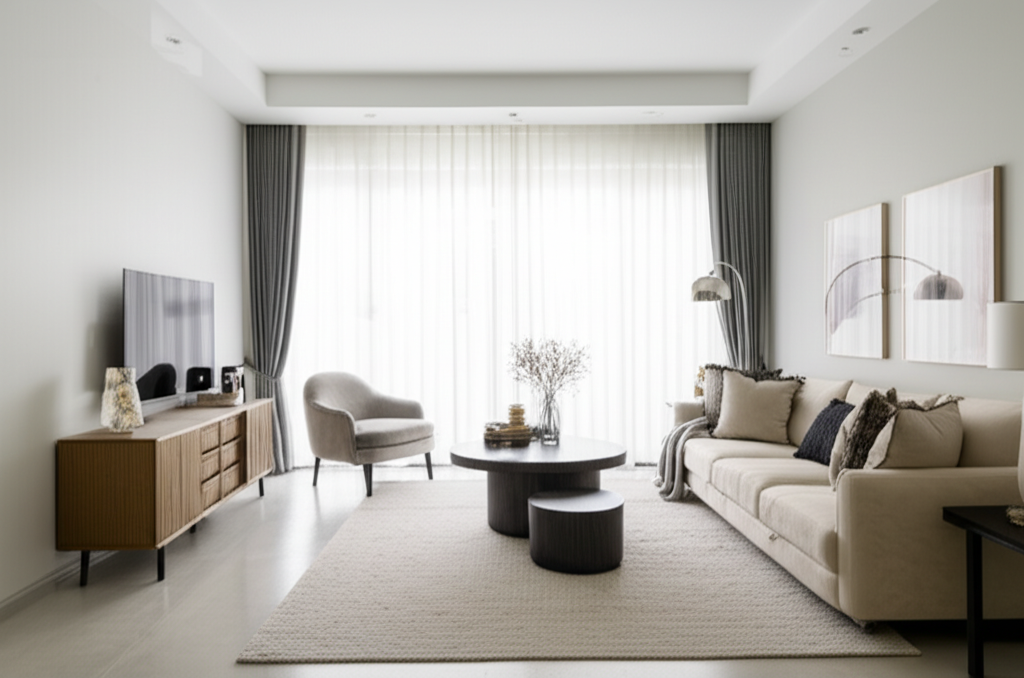
Living Room: The Heart of the Home
- Focus: Comfort, conversation, and spaciousness.
- Tips: Arrange furniture to create a clear focal point (e.g., fireplace, large window). Ensure seating areas invite interaction. Add soft throws and pillows for coziness. Remove oversized or bulky furniture.
Kitchen: Clean, Bright, and Functional
- Focus: Cleanliness, functionality, and modern appeal.
- Tips: Clear countertops of all but a few essential, attractive items (e.g., a bowl of fresh fruit, a small plant). Ensure appliances are spotless. Showcase pantry space. Consider a fresh coat of paint for outdated cabinets if budget allows.
Master Bedroom: A Serene Retreat
- Focus: Relaxation, luxury, and spaciousness.
- Tips: Use fresh, neutral-colored linens. Fluff pillows and arrange them neatly. Clear nightstands except for a lamp and perhaps a book. Remove personal photos. Ensure walk-in closets are organized and not overstuffed.
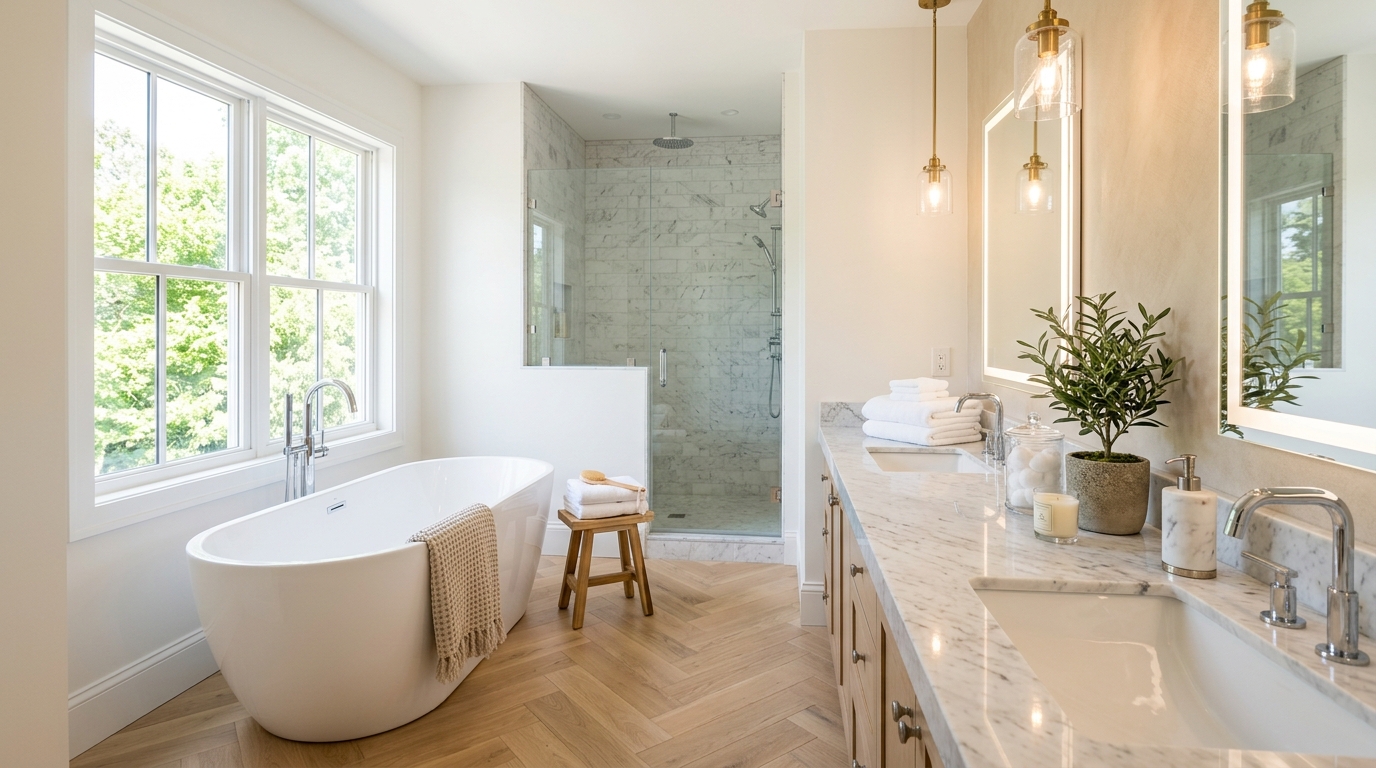
Bathrooms: Spa-Like Sanctuary
- Focus: Impeccable cleanliness and a spa-like feel.
- Tips: Scrub all surfaces until they gleam. Put out fresh, fluffy white towels. Add a small plant or a scented candle (unlit). Clear all personal toiletries from counters and showers. Ensure mirrors are spotless.
Dining Room: Elegance and Purpose
- Focus: Define its purpose and suggest gatherings.
- Tips: Set the table simply with a few place settings and a centerpiece (e.g., flowers, a decorative bowl). Ensure chairs are evenly spaced and not overcrowded.
Home Office/Flex Space: Clear Functionality
- Focus: Clearly define its purpose, whether it's an office, guest room, or gym.
- Tips: If an office, set it up with a clean desk, a comfortable chair, and minimal distractions. If a guest room, make the bed neatly. Ensure it doesn't look like a storage room.
Don't Forget the Curb Appeal: Exterior Staging
The exterior of a home is the first impression, both in person and in listing photos. If it doesn't grab attention, buyers might never make it inside.
- Landscaping: Trim hedges, mow the lawn, weed garden beds, and add fresh mulch. Plant colorful flowers near the entrance.
- Cleanliness: Power wash the exterior, sidewalks, and driveway. Clean windows and gutters.
- Entryway: Ensure the front door is clean, perhaps freshly painted. Add a new welcome mat and attractive potted plants.
- Lighting: Ensure exterior lights are clean and working, especially for evening showings.
- Repairs: Fix any visible issues like loose siding, cracked pathways, or broken fence panels.
A stunning exterior also makes for incredible listing photos and videos. To truly capture that first impression, consider exploring Drone Photography for Real Estate: Your Complete Agent's Guide to elevate your visual marketing.
Professional Staging vs. DIY: When to Call in the Experts
While many of the core principles can be applied by your clients themselves (DIY staging), there are definite advantages to bringing in a professional home stager.
DIY Staging: The Basics
For budget-conscious clients or those with homes already in excellent condition, DIY staging can be effective. Your role here is to guide them through the decluttering, cleaning, and basic rearrangement process. Provide them with checklists and encourage them to view their home through a buyer's critical eyes.
Professional Staging: The Game Changer
Professional stagers offer an objective, expert eye and access to furniture, art, and accessories that can completely transform a space. They know current design trends and what appeals to buyers in your specific market.
When to recommend a professional stager:
- Vacant Homes: Empty rooms feel smaller and lack warmth. Professional stagers can furnish and accessorize a vacant home, bringing it to life.
- High-End/Luxury Properties: These homes often require a sophisticated, high-quality aesthetic that only a professional can provide.
- Challenging Layouts or Dated Decor: Stagers excel at making awkward spaces functional and modernizing outdated interiors without major renovations.
- Time-Pressed Clients: For clients who are busy or overwhelmed, a stager handles all the details.
- When a Property Isn't Selling: If a listing is sitting on the market, staging can be the catalyst needed to generate new interest.
The cost of professional staging is often a small fraction of a potential price reduction or the carrying costs of a property sitting unsold. It's an investment that pays for itself.
Integrating Staging with Your Overall Marketing Strategy
Staging isn't a standalone tactic; it's an integral part of a comprehensive real estate marketing plan. When combined with other strategies, its impact is amplified.
Staging and Photography: A Match Made in Heaven
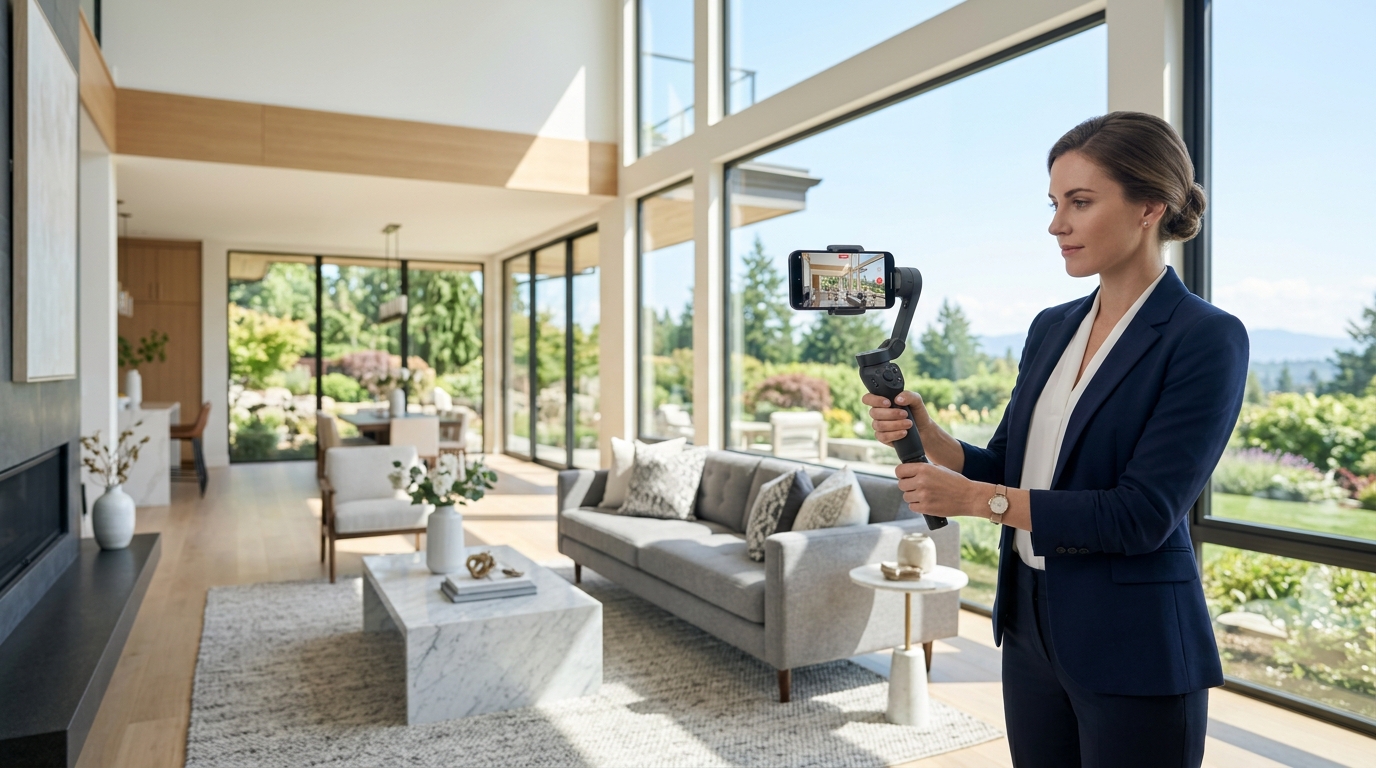
High-quality photography is non-negotiable in today's market. A beautifully staged home provides the perfect subject for stunning photos that grab attention online. Imagine the difference between a photo of a cluttered, empty room versus one that's thoughtfully arranged, bright, and inviting. The latter will generate significantly more clicks and showing requests.
For more insights on making your listings shine, be sure to read our guide on 10 Real Estate Photography Tips That Sell Homes Faster. Staging makes these tips even more effective!
Staging's Impact on Open Houses and Showings
When buyers walk into a staged home, they experience a sense of aspiration and possibility. The clear pathways, defined spaces, and inviting atmosphere create a positive emotional response that lingers long after they leave. It minimizes distractions and maximizes the home's perceived value, making your job during showings much easier.
Staging and Pricing Strategies
A well-staged home can justify a higher asking price. When a home presents beautifully, buyers perceive a higher value and are less likely to nitpick on minor flaws or demand significant discounts. This directly impacts your ability to set and hold a strong price point for your clients.
To ensure your staged homes are also priced strategically for maximum profit, delve into our guide on Pricing Your Listings Right: A Guide to Sell Homes Profitably.
The Staged Advantage: Your Path to Maximized Offers
In a competitive market, every advantage counts. Staging your home for sale isn't merely an aesthetic choice; it's a strategic business decision that directly impacts your clients' bottom line and your reputation as a top-tier agent. By investing time and effort into proper property presentation, you're not just selling a house; you're selling a meticulously crafted vision of home that resonates deeply with buyers.
Empower your clients with the knowledge and resources to stage their homes effectively, whether through expert guidance for DIY efforts or by connecting them with trusted professional stagers. The result will be faster sales, higher offers, and ecstatic clients who are eager to recommend your services. Make home staging a non-negotiable part of your listing strategy, and watch your success soar.
Ready to elevate your listings and secure those top-dollar offers? Start integrating strategic home staging into every client conversation today!