Buyer Psychology Secrets: Close More Real Estate Deals Faster
Beyond Bricks and Mortar: Understanding the Human Element to Accelerate Your Sales

The Invisible Force Driving Every Home Purchase: Buyer Psychology
As real estate professionals, we often focus on the tangible: square footage, school districts, granite countertops, and market comps. But what truly drives a buyer to say "yes"? It's rarely just the numbers. It's an intricate dance of emotions, aspirations, fears, and desires – what we call buyer psychology. Understanding this invisible force isn't about manipulation; it's about empathy, connection, and ultimately, serving your clients better by addressing their deepest needs.
Think about it. Have you ever seen a buyer fall in love with a home that, on paper, wasn't perfect? Or walked away from a seemingly ideal property because "it just didn't feel right"? That's buyer psychology at play. When you master the art of deciphering these unspoken cues, you don't just sell houses; you help people find homes, build futures, and fulfill dreams. And in doing so, you'll naturally find yourself closing more real estate deals faster and with greater satisfaction for everyone involved.
This comprehensive guide will pull back the curtain on the psychological triggers influencing home buying decisions, equipping you with actionable strategies to integrate these insights into your sales process. Let's dive in and transform the way you connect with your clients.
What Exactly is Buyer Psychology in Real Estate?
Buyer psychology in real estate refers to the study of how emotional, cognitive, and environmental factors influence an individual's decision-making process when purchasing a property. It's about understanding the "why" behind the "what." Why does one buyer prioritize a spacious kitchen while another dreams of a quiet backyard oasis? Why does urgency impact some buyers more than others?
At its core, buying a home is one of the most significant financial and emotional investments a person will make. It's not just a transaction; it's a life event. Therefore, the decision is rarely purely rational. Emotions like hope, excitement, fear, anxiety, and a desire for security all play pivotal roles.
For you, the real estate agent, understanding buyer psychology means:
- More Effective Communication: Tailoring your language and presentation to resonate with a buyer's specific emotional drivers.
- Stronger Client Relationships: Building trust by demonstrating a deep understanding of their unspoken needs and concerns.
- Overcoming Objections with Empathy: Addressing underlying fears rather than just surface-level complaints.
- Accelerated Sales Cycles: Guiding buyers confidently through the process by anticipating and addressing their psychological hurdles.
- Higher Client Satisfaction: Ensuring buyers feel truly heard and confident in their monumental decision.
The Core Psychological Triggers Driving Home Purchases
Every buyer is unique, but certain universal psychological triggers consistently influence purchasing decisions. By recognizing these, you can strategically frame your conversations and presentations.
The Fear of Missing Out (FOMO)
Ever felt that pang of "what if I miss out"? FOMO is a powerful motivator. In a competitive market, it can drive buyers to act quickly. The perception of scarcity or high demand makes a property seem more valuable and desirable.
- How it manifests: Buyers seeing multiple offers, limited inventory, or homes selling quickly.
- Your strategy: Ethically highlight genuine market activity. Share data on how quickly similar homes are selling. Discuss potential interest from other parties (without fabricating). "This neighborhood has seen homes go under contract in an average of 7 days recently."
The Desire for Security and Stability
A home is more than shelter; it's a sanctuary, a safe haven. It represents stability, a place to raise a family, build equity, and invest in the future. This fundamental human need often underpins the entire buying journey.
- How it manifests: Buyers looking for safe neighborhoods, good schools, a reliable investment, and a sense of permanence.
- Your strategy: Emphasize community features, safety ratings, property appreciation trends, and the long-term benefits of homeownership. "Imagine the peace of mind knowing your family is in this top-rated school district."
The Need for Belonging and Identity
Our homes often reflect who we are or aspire to be. Buyers aren't just looking for four walls; they're looking for a lifestyle, a community where they belong, and a space that resonates with their personal identity.
- How it manifests: Buyers seeking specific architectural styles, vibrant communities, quiet suburbs, or a home that "feels like them."
- Your strategy: Connect property features to lifestyle benefits. "This open-concept kitchen is perfect for entertaining, just like you mentioned you love." Highlight local amenities that align with their interests (e.g., "Just a short walk to the artisan coffee shop you love!").
The Power of Social Proof
We are social creatures, and we often look to others to guide our decisions. If many people desire something, it must be good. Social proof can come from testimonials, neighborhood popularity, or even the general buzz around a listing.
- How it manifests: Buyers feeling more confident in a home or neighborhood that is highly sought after or has positive reviews.
- Your strategy: Share positive client testimonials (with permission). Mention local accolades or community events. "This neighborhood is consistently ranked among the best places to live in the city."
Loss Aversion: The Fear of Making the "Wrong" Choice
Humans are generally more motivated to avoid a loss than to achieve an equivalent gain. For home buyers, this translates to a fear of making the wrong investment, choosing the wrong neighborhood, or overlooking a better opportunity.
- How it manifests: Indecision, second-guessing, prolonged searching, or backing out of a deal.
- Your strategy: Provide reassurance and data to mitigate risk. Highlight the home's value proposition and long-term benefits. Offer clear, concise comparisons. "Based on current market trends and comparable sales, this property represents excellent value."
Practical Strategies to Leverage Buyer Psychology in Your Sales Process
Knowing these triggers is one thing; applying them is where the magic happens. Here's how to integrate buyer psychology into your daily real estate practice.
Master the Art of the First Impression (Online & Offline)
Before a buyer even steps foot in a home, they've likely already formed an opinion based on online visuals. This first impression is crucial for triggering positive psychological responses.
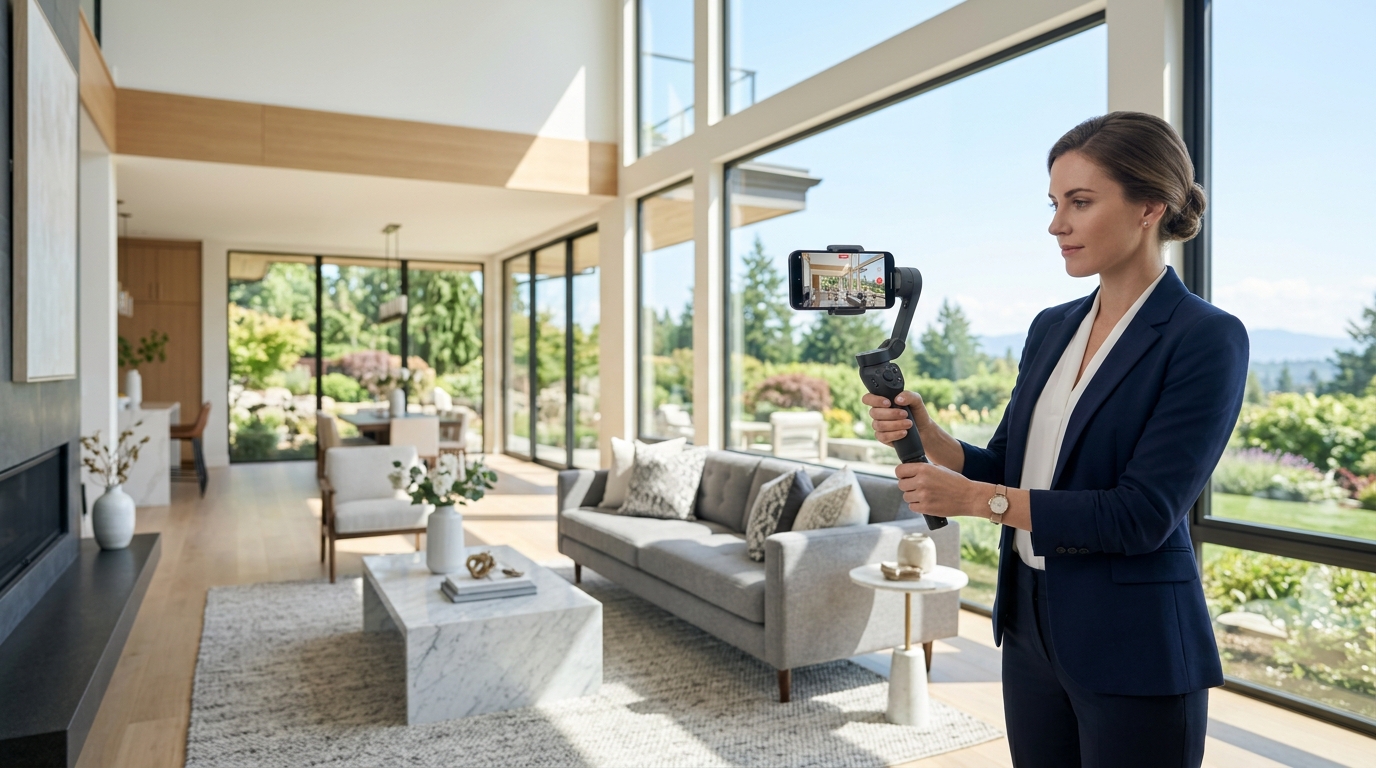
- Visual Storytelling: High-quality photography and video are non-negotiable. They create an immediate emotional connection. A professional photographer knows how to highlight a home's best features, creating a sense of aspiration and desirability.
- Staging for Emotion: Staging isn't just about decluttering; it's about creating an atmosphere that appeals to a buyer's desires for comfort, belonging, and lifestyle. A beautifully staged living room invites them to imagine relaxing there; a serene bedroom suggests peace.
- Your Action Steps: Always invest in high-quality photography. Consider drone photography for unique perspectives that highlight the property's setting and lifestyle. Encourage sellers to stage their homes to evoke specific emotions.
Personalized Communication: Speak to Their Deepest Desires
Generic communication falls flat. Buyers want to feel understood. Personalization is key to tapping into their individual psychological drivers.
- Active Listening: Go beyond surface-level needs. Ask open-ended questions like, "What does 'home' truly mean to you?" or "What kind of feeling do you want to experience when you walk through your front door?" Listen for emotional language.
- Tailored Presentations: Once you understand their specific desires (e.g., security, belonging, investment growth), frame your property presentations around those points. If security is paramount, emphasize neighborhood safety features. If it's identity, highlight unique architectural details or community vibe.
- Your Action Steps: Keep detailed notes on buyer preferences and motivations in your CRM. Use these insights to craft personalized messages, property suggestions, and follow-ups. Leverage email marketing strategies to send highly targeted content that resonates with their specific psychological profile.
Craft Compelling Narratives, Not Just Listings
Don't just list features; tell a story. A good narrative helps buyers visualize themselves in the home, triggering their desire for belonging and identity.
- Paint a Picture: Instead of "large backyard," try "Imagine summer evenings hosting barbecues with friends, or watching your kids play safely in this expansive, fenced backyard."
- Highlight Lifestyle: Connect the home to the lifestyle they aspire to. "This home isn't just a place to live; it's a launchpad for adventure, with hiking trails just steps away."
- Your Action Steps: Write property descriptions that evoke emotion and tell a story. During showings, use descriptive language that encourages buyers to imagine their future life in the home.
Create Urgency and Scarcity (Ethically!)
When done ethically and based on genuine market conditions, creating a sense of urgency can motivate buyers to act, tapping into their FOMO.
- Market Insights: Educate buyers on current market trends: low inventory, rising interest rates, or appreciating property values. This isn't pressure; it's valuable information that empowers them to make timely decisions.
- Transparent Communication: If there are multiple offers or high interest, communicate this openly and honestly. "Just to let you know, we've had significant interest, and another showing is scheduled for this afternoon."
- Your Action Steps: Stay informed on market analytics and share relevant data with your clients. Be transparent about competition for a property.
Build Trust and Authority
Buyers are making a huge decision and often feel vulnerable. Building trust and positioning yourself as an authority figure provides psychological comfort and reduces their fear of loss.
- Be a Resource: Don't just show homes; provide valuable insights on neighborhoods, schools, market trends, and even potential renovation costs.
- Transparency is Key: Address potential drawbacks honestly, alongside the positives. This builds credibility.
- Anticipate Concerns: Pre-emptively address common buyer anxieties (e.g., inspection issues, financing questions) to alleviate their fears.
- Your Action Steps: Share market reports, local news, and expert opinions. Be proactive in addressing potential questions and concerns before they even arise.
Overcoming Common Psychological Hurdles
Even with the best strategies, buyers will encounter hurdles. Understanding these common psychological barriers allows you to guide them through with grace and effectiveness.
Decision Paralysis: Too Many Choices, Too Much Fear
When presented with too many options, or when the stakes are high, buyers can become overwhelmed and unable to make a decision. The fear of choosing the "wrong" option outweighs the desire to choose any option.
- Your Strategy: Help narrow their focus. Reiterate their top priorities and values. "Based on what you told me about needing a quiet neighborhood and a great school district, these two homes truly stand out." Provide clear pros and cons for a limited number of top choices.
Price Sensitivity: Perceived Value vs. Actual Cost
While a home is an investment, the immediate price tag can trigger significant psychological resistance, especially if buyers feel they are "overpaying."
- Your Strategy: Shift the focus from cost to value and long-term benefits. Highlight potential appreciation, energy efficiency, community amenities included, or the cost of similar renovations. "While this home is at the top of your budget, consider the recent upgrades that would cost an additional $X to do yourself, plus the potential for significant equity growth in this appreciating market."
Emotional Overwhelm: The Stress of the Process
Buying a home is inherently stressful. The paperwork, negotiations, inspections, and financial commitments can lead to anxiety, frustration, and even burnout.
- Your Strategy: Be their anchor. Offer empathy, clear explanations of each step, and consistent support. Break down the process into manageable chunks. "I understand this can feel overwhelming. Let's just focus on the inspection report today, and then we'll tackle the next steps." Celebrate small victories.
Ready to Transform Your Approach?
Harnessing buyer psychology isn't about manipulating clients; it's about understanding the complex human experience of buying a home. It's about recognizing that beneath every search criterion and every offer, there's a person with hopes, dreams, and fears. By tapping into these deeper motivations, you can build stronger relationships, provide unparalleled service, and become the trusted advisor your clients desperately need.
When you align your strategies with the core psychological triggers of your buyers, you're not just selling real estate; you're facilitating life-changing decisions. And that, my friends, is how you close more real estate deals faster, more ethically, and with far greater satisfaction for everyone involved.
Which of these psychological triggers do you think has the biggest impact on your clients? Share your thoughts and experiences in the comments below!