Hosting a Successful Open House: Attract & Convert Buyers
Transform your open house from a mere showing into a strategic lead generation and conversion event.

The Art and Science of a Truly Successful Open House
Ah, the open house. For some real estate agents, it’s a weekend ritual, a chance to get foot traffic through a listing. For others, it feels like an antiquated relic in a digital world. But here’s the secret: a successful open house isn't just about unlocking a door and hoping for the best. It's a meticulously crafted marketing event, a prime opportunity to attract and convert buyers, and a powerful tool for your personal brand.
Think about it: in an age where buyers can tour homes virtually from their couch, why do they still show up in person? Because they're looking for an experience, a connection, and that elusive 'feeling' that a screen simply can't replicate. As real estate professionals, our job is to capitalize on that human desire, transforming a casual Sunday stroll into a serious buying consideration.
So, how do you move beyond simply 'hosting' an open house to actually attracting the right buyers and, more importantly, converting those warm leads into signed contracts? Let’s dive deep into the strategies that separate the casual showing from the strategic sales event.
Pre-Open House Prep: Setting the Stage for Success
The magic of a great open house often begins long before the first visitor rings the doorbell. It's in the planning, the presentation, and the precision of your marketing efforts.
1. Masterful Marketing & Promotion: Get Eyes on Your Listing
You can't convert buyers if they don't know you're open for business! Your promotion strategy needs to be multi-faceted and targeted.
- Digital Domination: Leverage social media (Facebook events, Instagram stories, targeted ads), your personal website, and popular real estate portals. Craft compelling posts with high-quality visuals and a clear call to action. Consider a Facebook Live walkthrough before the actual event to build anticipation.
- Local Buzz: Don't underestimate traditional methods. Eye-catching directional signs (professional, not handwritten!) leading directly to the property are essential. Distribute flyers in the neighborhood, perhaps even door-knocking nearby to invite neighbors who might know potential buyers or just want a peek.
- Agent Network: Reach out to your fellow agents. They might have the perfect buyer in their pipeline. A quick email or text can go a long way.
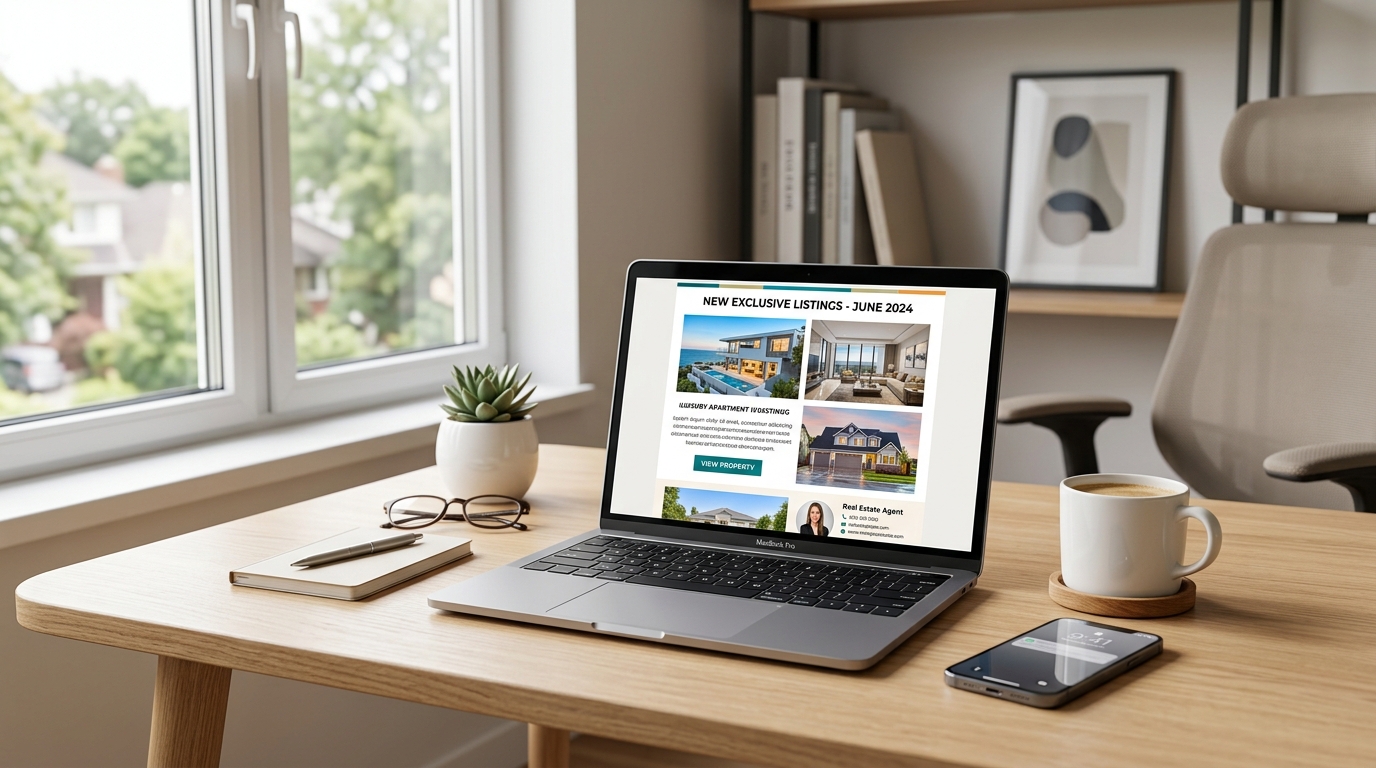
- Email Campaigns: Send a dedicated email blast to your existing database of leads and clients. Highlight key features and the exact time/date. This is where effective email marketing strategies for real estate agents really shine.
2. The Power of Presentation: Staging to Sell
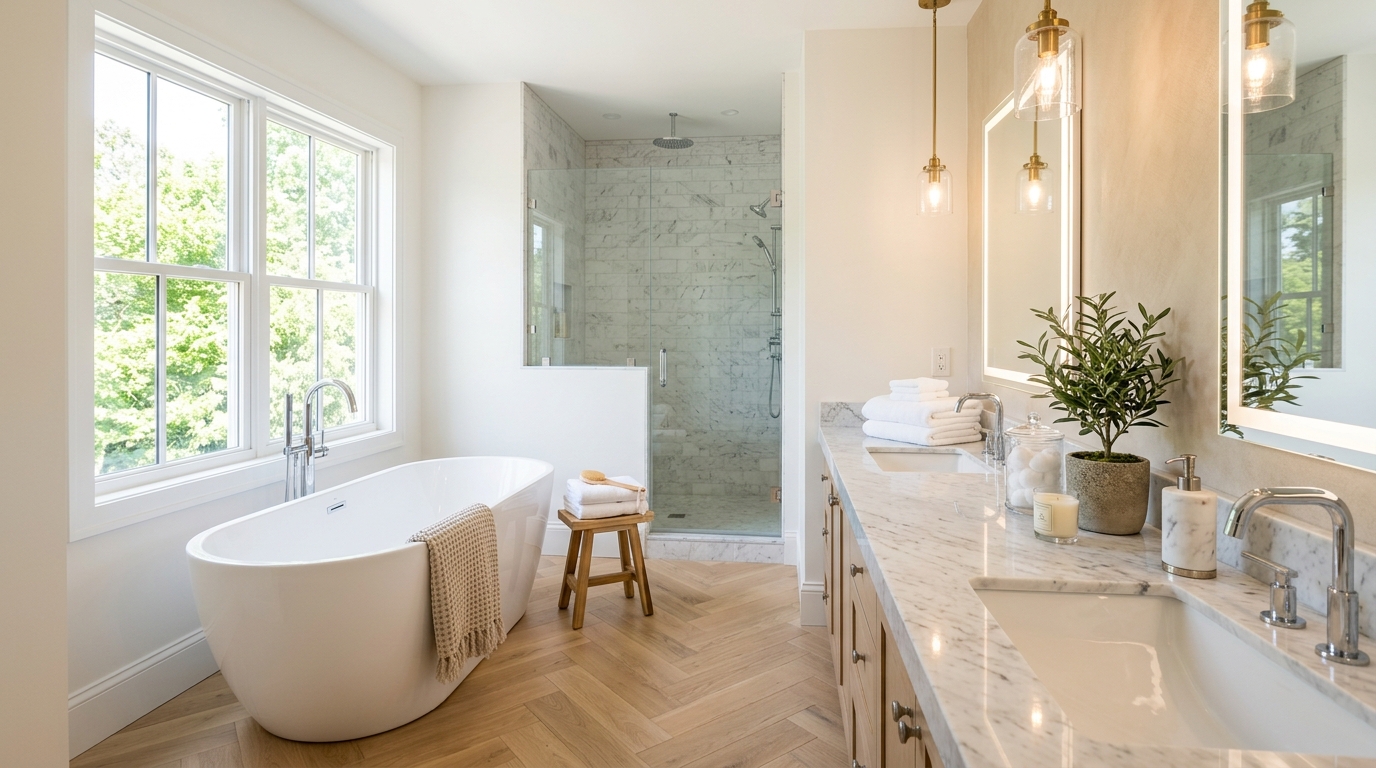
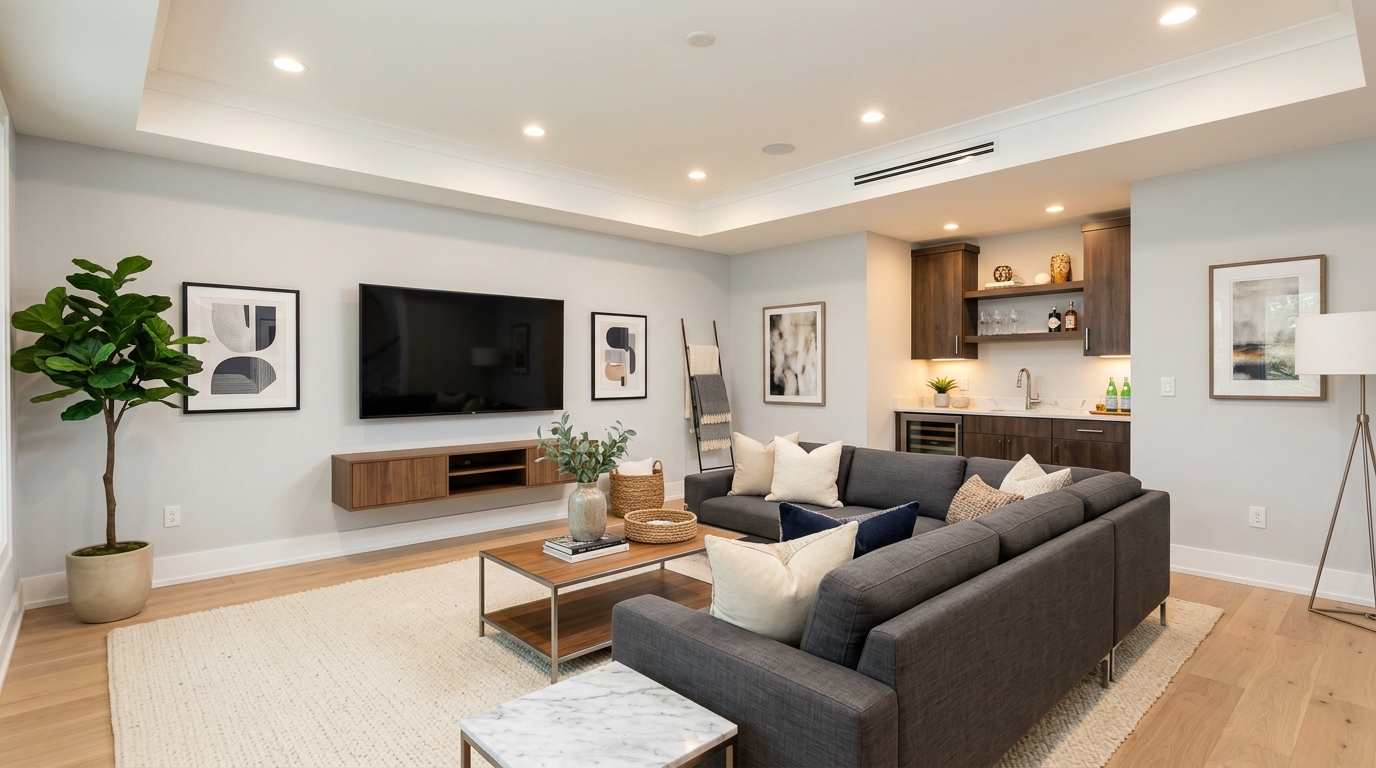
Before anyone even steps foot inside, ensuring the property looks its absolute best is non-negotiable. This isn't just about tidying up; it's about strategic presentation. We’re talking about staging your home for sale, creating an irresistible vision of what life could be like there.
- Declutter & Depersonalize: Buyers need to envision themselves in the space, not the current owners. Remove personal photos, excessive knick-knacks, and clutter.
- Sparkle & Shine: A deep clean is a must. Pay attention to windows, bathrooms, and kitchens – these areas can make or break a first impression.
- Strategic Furniture Placement: Arrange furniture to highlight space, flow, and purpose. Create inviting conversation areas.
- Appeal to the Senses: Fresh flowers, subtle, pleasant scents (think freshly baked cookies or a diffuser with a light citrus or vanilla scent, not overpowering), and soft background music can make a huge difference.
And speaking of presentation, remember, the first showing often happens online. High-quality visuals are your digital handshake. Don't skimp on professional photos – or learn to take them yourself with our guide on 10 real estate photography tips that sell homes faster. These images are what draw people to your open house in the first place!
3. Logistic Labyrinth: Preparing for the Crowd
Don't let overlooked details derail your efforts.
- Print Materials: Have professional, multi-page brochures or flyers ready. Include high-quality photos, detailed property information, floor plans, neighborhood highlights, and your contact information.
- Sign-In Sheet: Absolutely critical for lead capture. Don't just ask for a name; request email and phone numbers, and perhaps a question like "What are you looking for in a home?" or "How did you hear about the open house?"
- Refreshments (Optional but Recommended): Simple offerings like bottled water, a coffee station, or individually wrapped snacks can enhance the experience and encourage visitors to linger.
- Lighting & Temperature: Ensure the home is well-lit (open curtains, turn on all lights) and at a comfortable temperature.
- Security: Secure valuables. Have a plan for managing crowds and ensuring the safety of the property.
During the Open House: Creating an Unforgettable Experience
This is your prime time to shine, connect, and guide potential buyers towards making an offer.
1. The Grand Welcome: First Impressions Matter
Ever walked into an open house where the agent barely looked up from their phone? It's a terrible feeling, right? You want to be the opposite.
- Be Present & Approachable: Greet every single person with a warm smile and a handshake (or a friendly wave, depending on current norms). Introduce yourself and make them feel welcome.
- The Soft Sell: Avoid immediately launching into a sales pitch. Start with a friendly, "Welcome! Feel free to look around, and let me know if you have any questions."
- Sign-In is Key: Politely direct everyone to the sign-in sheet. Explain it's for security, to provide them with property info, or to keep them informed about similar listings.
2. Engage, Educate, & Connect: Be the Neighborhood Expert
Once visitors are comfortable, shift from host to expert guide.
- Highlight Key Features: Don't just point; tell a story. "Imagine enjoying your morning coffee on this sun-drenched patio" or "This kitchen was recently updated with top-of-the-line appliances, perfect for entertaining."
- Anticipate Questions: Be ready to answer questions about schools, local amenities, commute times, property taxes, and recent comparable sales. The more knowledgeable you are, the more trustworthy you become.
- Listen More, Talk Less: Ask open-ended questions: "What are you hoping to find in your next home?" or "What do you like most about this area?" This helps you understand their needs and tailor your pitch.
- Gauge Interest: Pay attention to body language. Are they lingering in certain rooms? Are they taking notes or pictures? These are cues for deeper engagement.
3. Handling Objections & Concerns: Your Opportunity to Shine
It's rare for a buyer to have zero concerns. How you address them can build immense trust.
- Acknowledge & Validate: "I understand your concern about the yard size."
- Offer Solutions/Perspectives: "While the yard might not be huge, it's incredibly low-maintenance, giving you more time to enjoy the nearby park." Or, "Many buyers appreciate the privacy that this fence provides."
- Focus on Value: Always bring it back to the value proposition of the home and how it meets their needs.
Post-Open House Follow-Up: Nurturing Leads to Close Deals
The open house isn't over when the last visitor leaves. The real work of conversion often begins now.
1. Immediate & Personalized Follow-Up: Strike While the Iron's Warm
The first 24-48 hours post-open house are critical. Don't let those valuable leads go cold.
- Personalized Thank You: Send a personalized email or text to everyone on your sign-in sheet. Reference something specific from your conversation if possible. "It was great chatting with you about the updated kitchen!"
- Provide Requested Information: If someone asked for specific details (e.g., utility bills, HOA docs), send them promptly.
- Suggest Next Steps: Propose a private showing, offer to set up a search for similar properties, or ask if they'd like to discuss making an offer.
2. Lead Nurturing & CRM Integration: Build Relationships
Not every visitor will be ready to buy immediately, but they are still valuable leads.
- CRM Integration: Input all new leads into your CRM system. Tag them appropriately (e.g., "Open House Lead - [Property Address]").
- Segment & Nurture: Based on their expressed interests, add them to relevant email drip campaigns. For example, if they loved the modern kitchen, send them listings with similar features. This is where those email marketing strategies come into play again.
- Long-Term Value: Even if they don't buy this house, they might buy another one with you, or refer someone who will. Stay top-of-mind by consistently providing value.
3. Feedback Loop with the Seller: Transparency & Strategy
Your sellers are eager for updates. Provide them with a concise summary of the open house's success.
- Visitor Count: How many people attended?
- Key Feedback: What were common praises or concerns?
- Lead Quality: How many serious potential buyers did you identify?
- Next Steps: What's your strategy moving forward based on the feedback? The insights you gather from an open house are gold. If you're consistently getting lowball offers or limited interest, it might be a sign to revisit your strategy. This feedback is crucial for pricing your listings right, ensuring they remain competitive and attractive.
Maximizing Your Open House ROI: Beyond the Single Event
A successful open house isn't just about selling one home; it's about growing your business.
- Build Your Sphere: Every open house is an opportunity to meet new people, build your network, and solidify your reputation as a knowledgeable, approachable agent in the community.
- Generate Future Listings: Curious neighbors often attend open houses. They're evaluating your marketing skills, seeing how you handle visitors, and silently assessing if you're the right agent to sell their home when the time comes. Impress them!
- Refine Your Strategy: What worked? What didn't? Use each open house as a learning experience to continuously improve your process.
- Content Creation Goldmine: Use the open house as an opportunity to create content. Short video tours for social media, photos for your blog, or even a quick Q&A session with visitors (with permission, of course) can provide valuable marketing material.
Ready to Unlock Open House Success?
Hosting a truly successful open house is an art form, blending meticulous preparation with genuine human connection and strategic follow-up. It's more than just an appointment; it's a dynamic stage where you showcase not just a property, but your expertise, your passion, and your commitment to your clients.
By treating each open house as a strategic marketing event designed to attract and convert buyers, you're not just selling a home; you're building your brand, expanding your network, and ultimately, growing a thriving real estate business. So, next time you're planning an open house, remember these strategies. Go beyond opening the door – open up possibilities.
What's your secret weapon for open house success? Share your tips in the comments below!