How to Host a Virtual Open House That Generates Qualified Leads
Stop wasting time on 'looky-loos' and start converting digital viewers into high-intent buyers.
The New Era of the 'Walk-Through'
Remember when the only way to see a house was to trek across town on a Sunday afternoon, hope the parking wasn't a nightmare, and shuffle through a kitchen with ten other strangers? While traditional open houses still have their place, the landscape has shifted. We're now in an era where a buyer in New York can 'walk through' a sun-drenched colonial in Los Angeles before they’ve even finished their morning coffee.
But here’s the thing: hosting a virtual open house isn't just about walking around a room with your phone while breathing heavily into the microphone. We've all seen those shaky, pixelated livestreams that feel more like a low-budget horror movie than a luxury listing presentation. If you want to actually generate qualified leads—the kind that result in signed contracts—you need a strategy that blends high-end production with intentional sales psychology.
In this guide, we’re going to break down the exact blueprint for hosting a virtual event that doesn't just get 'views,' but builds your database with ready-to-act buyers.
1. Choose Your Platform Based on Your Goals
Before you even touch a tripod, you need to decide where this event is going to live. Not all platforms are created equal, and your choice will dictate how you capture lead information.
The 'Public' Broadcast (Facebook and Instagram Live)
This is fantastic for reach. If you want to build brand awareness and show your followers that you are an active, tech-savvy agent, going live on social media is the way to go. The downside? It’s harder to gate. You’re essentially giving the tour away for free. To turn these viewers into leads, you'll need to use engaging video scripts that constantly prompt viewers to drop a comment or click a link in your bio for a 'private feature sheet.'
The 'Private' Event (Zoom or Google Meet)
If your goal is lead qualification, this is the gold standard. By requiring registration via a landing page, you are pre-filtering your audience. Someone who takes the time to enter their email and phone number to get a Zoom link is ten times more likely to be a serious buyer than someone scrolling past a Facebook Live. This approach also allows for a more intimate, two-way conversation where you can see their faces and gauge their reactions.
2. Master the Tech (Without Breaking the Bank)
You don't need a Hollywood film crew, but you do need to respect the viewer's eyes and ears. If the video is grainy or the wind is howling into the mic, people will drop off in seconds. Let's be real: your reputation is tied to the quality of your presentation.
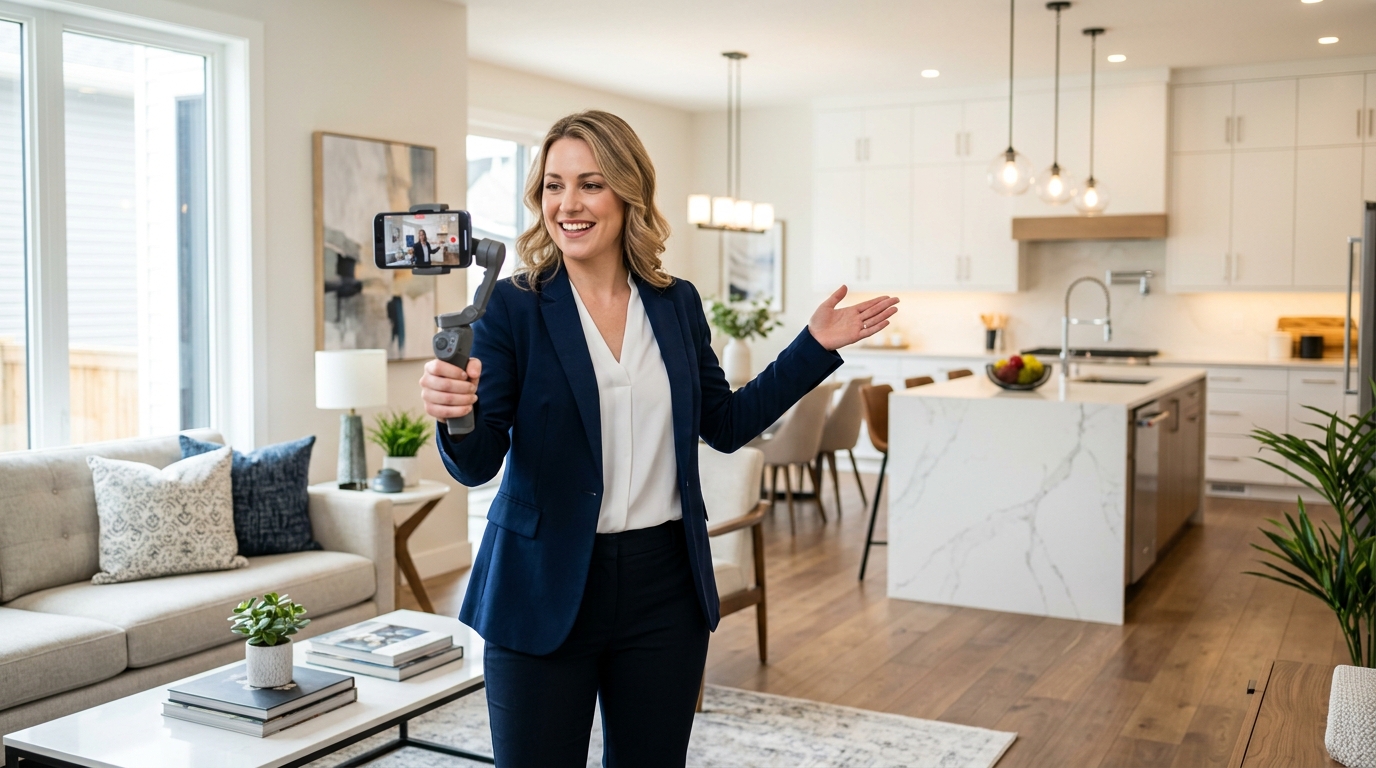
- Stabilization is Non-Negotiable: Invest in a 3-axis gimbal for your smartphone. Shaky footage makes people nauseous. A smooth, gliding motion mimics the feeling of actually walking through the home.
- Audio is More Important Than Video: People will forgive a slightly blurry image, but they won't tolerate bad audio. Use a wireless lavalier microphone (like a Rode Wireless GO) to ensure your voice is crisp, even when you're across the room from the camera.
- Lighting Matters: Turn on every single light in the house. Open all the blinds. If you're in a darker room, bring a portable LED ring light. You want the space to look airy and inviting.
3. The Pre-Event Hype Machine
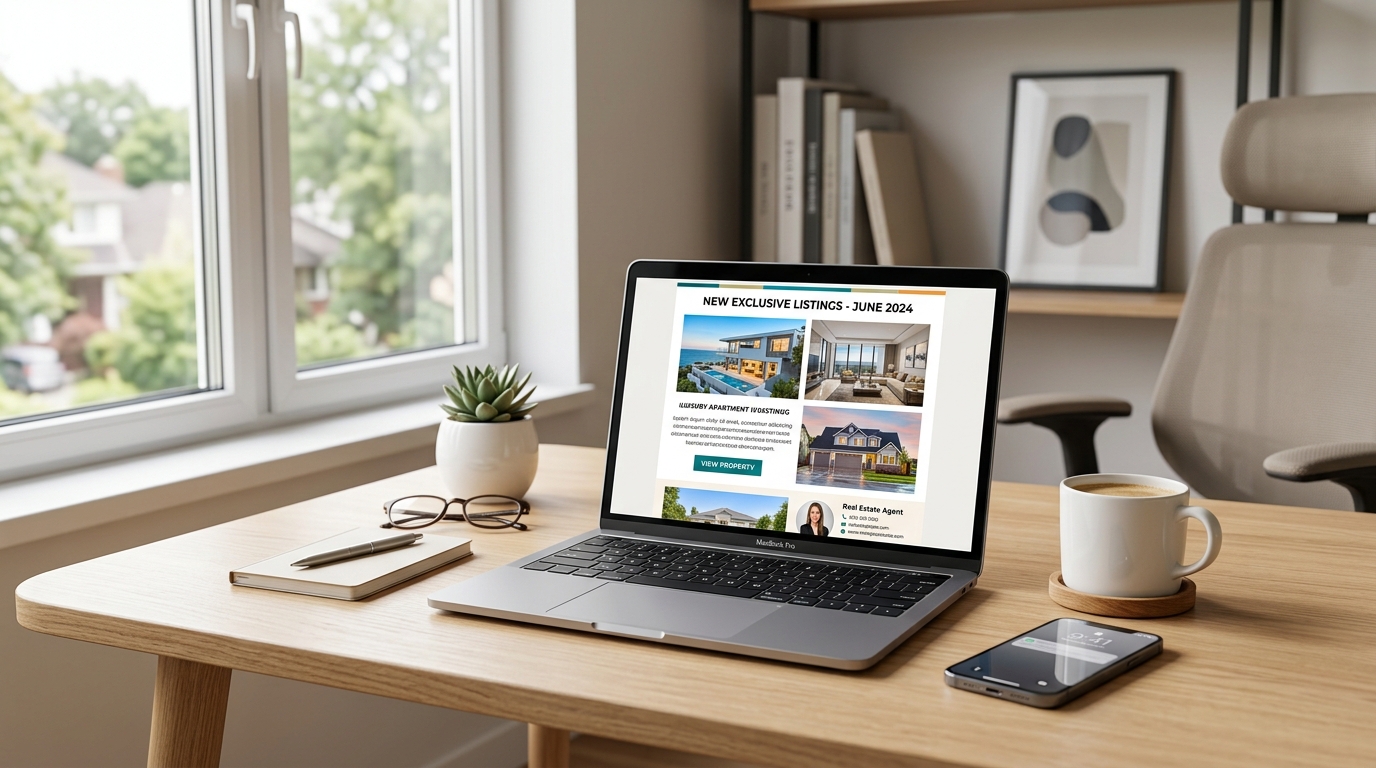
You wouldn't throw a party and not send out invitations, right? A virtual open house requires a dedicated marketing push at least 5-7 days in advance. This is where you can leverage proven visual marketing strategies to build anticipation.
Create a 30-second 'trailer' for the open house. Show three 'teaser' features—maybe a hidden pantry, a stunning view, or a master suite—and end with a clear call to action: "Register for the full live tour this Saturday to see the rest." Post this on your Reels, TikTok, and LinkedIn. Send it to your email database. If you have a 'Coming Soon' period, use that time to drive registrations for the virtual event before the house even hits the MLS.
4. Structure the Tour for Maximum Engagement
Once you’re live, don't just start wandering. You need a flow. Think of yourself as a TV host, not just an agent.
The Hook (Minutes 0-2)
Start outside. Show the curb appeal and the neighborhood. Introduce yourself and set the stage. "Hi everyone, I'm [Your Name], and today I’m taking you inside a home that has the most incredible outdoor kitchen I’ve seen all year." Give them a reason to stay until the end.
The 'Meat' of the Tour (Minutes 2-15)
Walk through the home logically. Focus on the 'lifestyle' rooms first—the kitchen, the living area, and the primary suite. While you're walking, don't just describe what they can see. Instead of saying "This is a kitchen," say "Imagine hosting Thanksgiving here; the double ovens mean you’ll never have to worry about the turkey and the sides being ready at the same time."
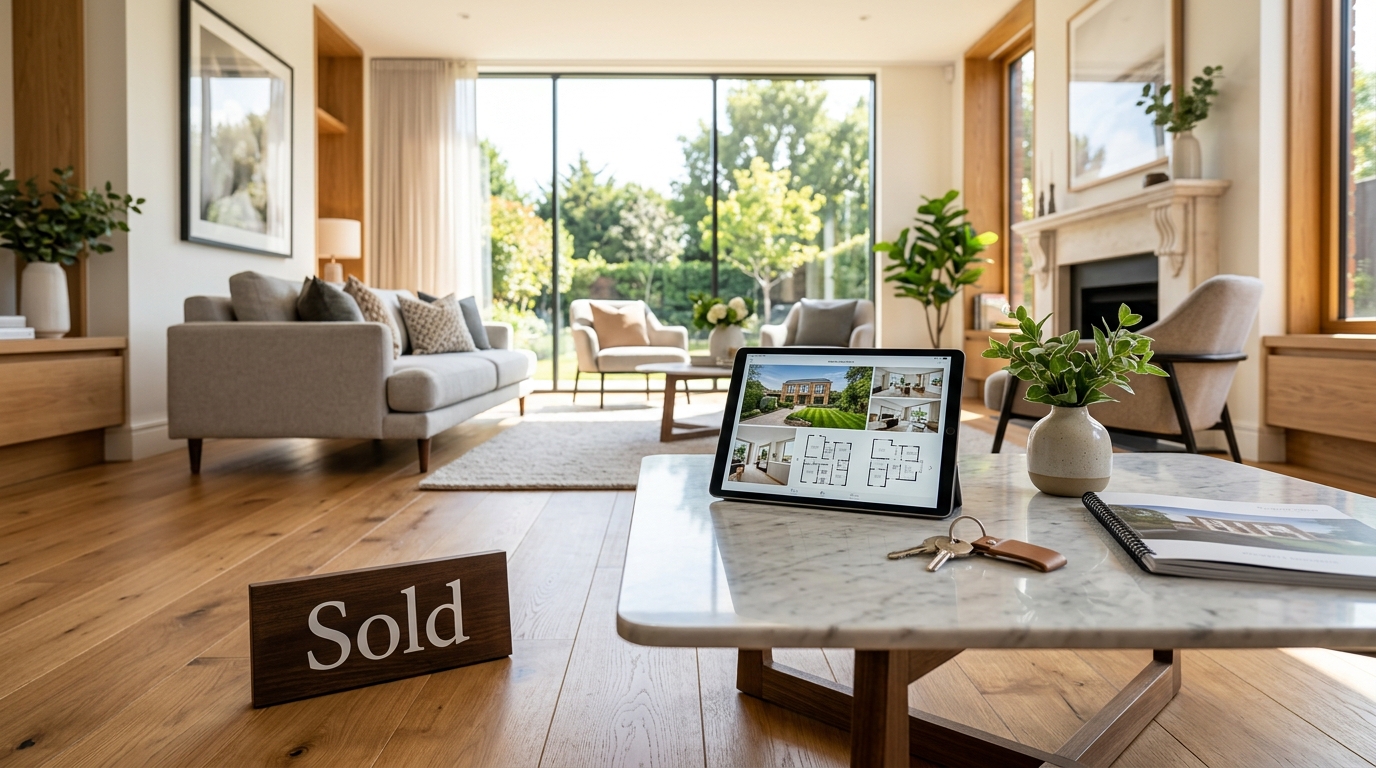
Pro Tip: Incorporate 3D virtual tours into your presentation. If you’re on a Zoom call, you can screen-share a Matterport tour to show the floor plan layout before walking into the next room. This helps the viewer maintain their sense of orientation within the house.
The Live Q&A (Minutes 15-20)
This is where the 'qualification' happens. Encourage viewers to ask questions. "Want to see inside the pantry?" "How deep is that closet?" When someone asks a specific question, it’s a massive buying signal. Take note of who is asking what.
5. Capturing and Qualifying Leads
The tour is over. Now what? If you don't have a plan for the 24 hours following the event, you’ve just performed for free. Lead generation is a game of speed and relevance.
- The Immediate 'Thank You' Pack: Within an hour of the tour ending, send an automated email to everyone who registered. Include a link to the recorded video, the digital brochure, and the floor plans.
- The Qualification Call: For those who stayed for the whole tour or asked questions, pick up the phone. Don't ask "Do you want to buy the house?" Ask, "Based on the tour today, did this home meet your 'must-have' list, or was there something missing?" This opens the door to either a showing request or a conversation about other listings.
- The 'Second Look' Strategy: Offer a private, one-on-one virtual tour for anyone who wants a closer look at specific details. This is a high-intent action that almost always leads to a serious offer.
Conclusion: Why This Strategy Wins
Hosting a virtual open house isn't about replacing the physical experience; it's about scaling your time and filtering for quality. When you do it right—with great tech, a solid script, and a clear lead-capture system—you aren't just an agent showing a house. You're a marketing powerhouse providing a premium service to your sellers and a convenient, high-value experience for your buyers.
Ready to take your listing presentation to the next level? Start by ensuring your visual assets are top-tier. Whether it’s 3D tours, professional video, or floor plans, the quality of your digital presence is the foundation of your virtual success.