How to Photograph a Kitchen: 7 Tips to Capture the Heart of the Home
Master the art of kitchen photography to make your listings stand out and sell faster.
Why the Kitchen is Your Most Important Listing Photo
Ask any seasoned real estate agent where the deal is really made, and they won’t point to the backyard or the primary suite. They’ll point to the kitchen. It’s the place where morning coffee happens, where homework is finished at the island, and where holiday dinners are prepped. In real estate marketing, we call it the "heart of the home" for a reason. If your kitchen photos don’t land, your listing might just sit.
Learning how to photograph a kitchen isn't just about owning a fancy camera; it’s about understanding how to translate a physical space into an emotional experience. When a buyer scrolls through Zillow or Realtor.com, they are looking for a lifestyle. If your photos feel cramped, dark, or cluttered, they’ll move on to the next property before you can even say "granite countertops."
In this guide, we’re going to dive deep into the technical and creative aspects of kitchen photography. Whether you’re shooting with a DSLR or a high-end smartphone, these seven tips will help you capture the kitchen in a way that stops the scroll and gets the phone ringing.
1. The Art of the Declutter: Less is Always More
We’ve all seen those listings where the kitchen counters are covered in toaster ovens, spice racks, and half-empty dish soap bottles. It’s distracting, right? Before you even think about clicking the shutter, you need to clear the decks. The goal isn't to show how the current owners live; it's to show the buyer how they could live.
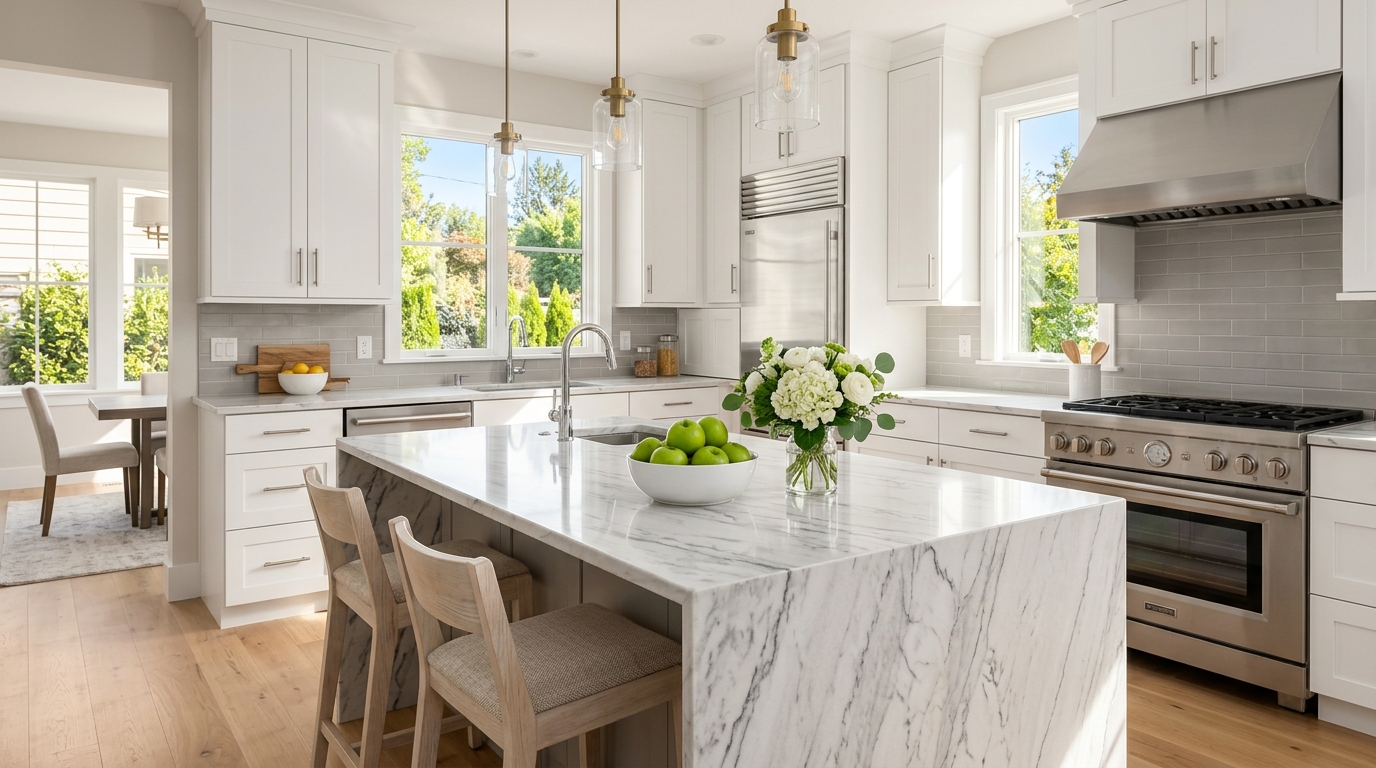
Start by removing everything from the counters. Yes, everything. Once the space is a blank slate, you can selectively add back a few "lifestyle" items—a bowl of fresh lemons, a high-end espresso machine, or a clean cutting board with a loaf of crusty bread. This is where using emotional visual triggers in real estate marketing becomes your secret weapon. You want to suggest a lifestyle without the mess of reality.
If you find yourself in a situation where the sellers simply couldn't get organized in time, don't panic. You can always look into how to use virtual decluttering to sell messy listings to clean up the shot in post-production. However, getting it right in person is always the gold standard.
2. Master Your Lighting: Natural vs. Artificial
Lighting can make or break a kitchen photo. A kitchen that looks bright and airy in person can often look yellow and cave-like on camera if you aren't careful. The biggest culprit? Mixed lighting. Most kitchens have a combination of overhead LED or incandescent lights and natural light from windows.
For the best results, try to rely on natural light as much as possible. Turn off all the interior lights to avoid those nasty orange or yellow color casts. If the shadows are too deep, use a tripod and a longer exposure to brighten the room. If you must use the lights (perhaps to showcase high-end pendant lighting), make sure your white balance is adjusted so the cabinets don't look like they’ve been stained with mustard.
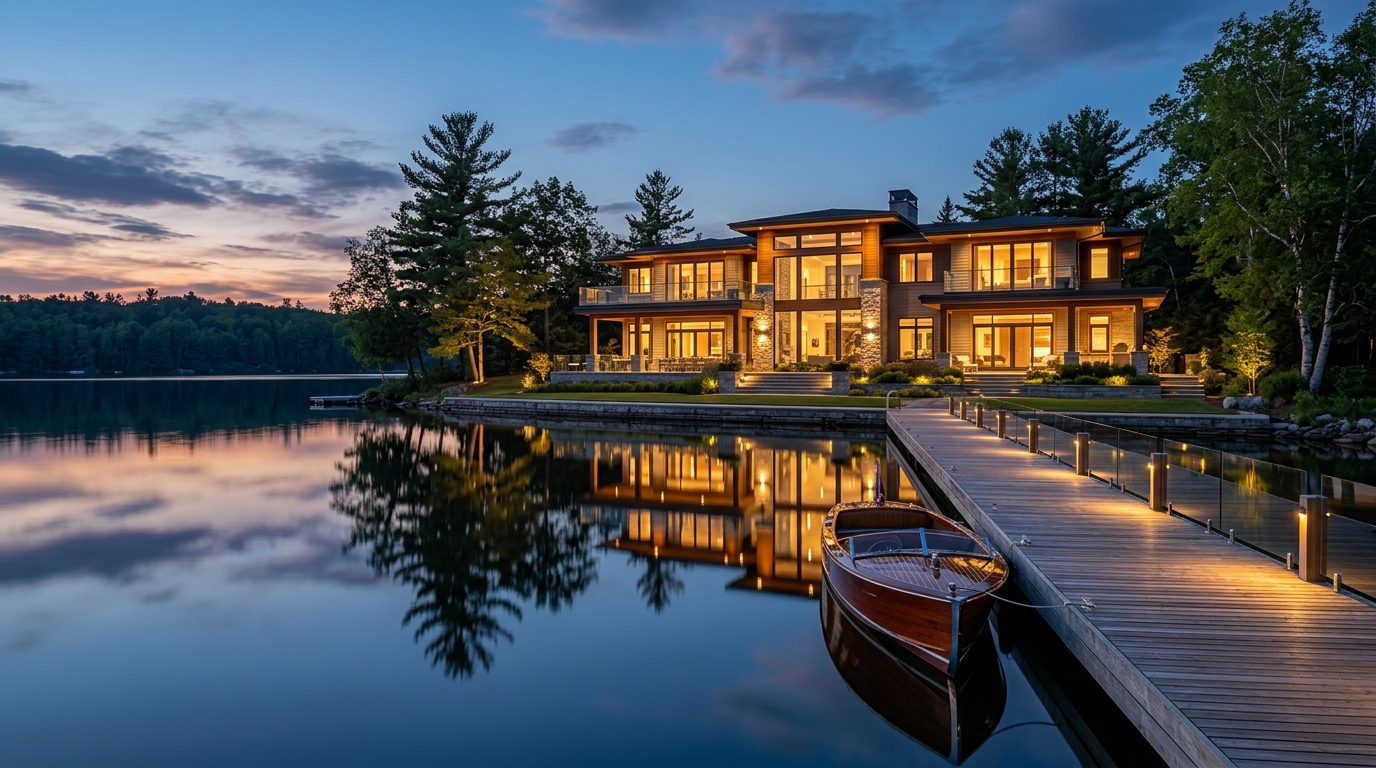
Pro Tip: If the kitchen has a stunning view through the window, use HDR (High Dynamic Range) techniques. This involves taking multiple shots at different brightness levels and blending them together so the kitchen and the view are perfectly exposed. This is especially critical for waterfront properties where the view is a major selling point.
3. Find the Perfect Height: Don't Shoot From the Ceiling
One of the most common mistakes I see in real estate photography is the "giant’s perspective." When you hold the camera at eye level, you end up looking down at the countertops, which can make the kitchen feel small and emphasize the floor rather than the cabinetry. Conversely, shooting too low can make the counters look like massive walls.
The "sweet spot" for kitchen photography is usually around chest height—somewhere between the bottom of the upper cabinets and the top of the counter. This height keeps the perspective natural and ensures that you aren't seeing too much of the undersides of the cabinets or too much of the ceiling. It gives the viewer the feeling of standing in the room, ready to start cooking.
4. Keep Your Verticals Straight
Nothing screams "amateur" like a photo where the walls and cabinets look like they’re leaning inward or falling over. In architectural photography, keeping your vertical lines perfectly straight is non-negotiable. This happens when your camera is tilted up or down.
To fix this, ensure your camera is perfectly level. Most modern tripods have a built-in bubble level, and most smartphones have a grid overlay that can help. When your verticals are straight, the kitchen looks solid, professional, and expensive. If you’re struggling with a tight space, you might be tempted to tilt the camera to fit everything in, but resist the urge! Instead, read up on how to photograph small spaces to learn techniques for capturing the whole room without distorting the architecture.
5. Use Wide Angles (But Don't Overdo the Fisheye)
You want to show the layout of the kitchen, and that usually requires a wide-angle lens. A 16mm to 24mm (full-frame equivalent) is the standard for most real estate pros. This allows you to capture the relationship between the island, the stove, and the sink—the famous "work triangle."
However, be careful with extremely wide lenses. If you go too wide (like a 10mm or 12mm), the edges of the photo will start to stretch and distort. The refrigerator might look ten feet wide, and the island might look like a football field. This can actually backfire when buyers see the home in person and feel "catfished" by the photos. Aim for a wide view that feels spacious but remains honest to the home's actual footprint.
6. Capture the Details and Upgrades
While the wide "hero shot" is important, don't forget the details. Did the seller just install a $10,000 Wolf range? Is there a beautiful pot filler over the stove or custom dovetail joints in the drawers? These are the features that justify a higher asking price.
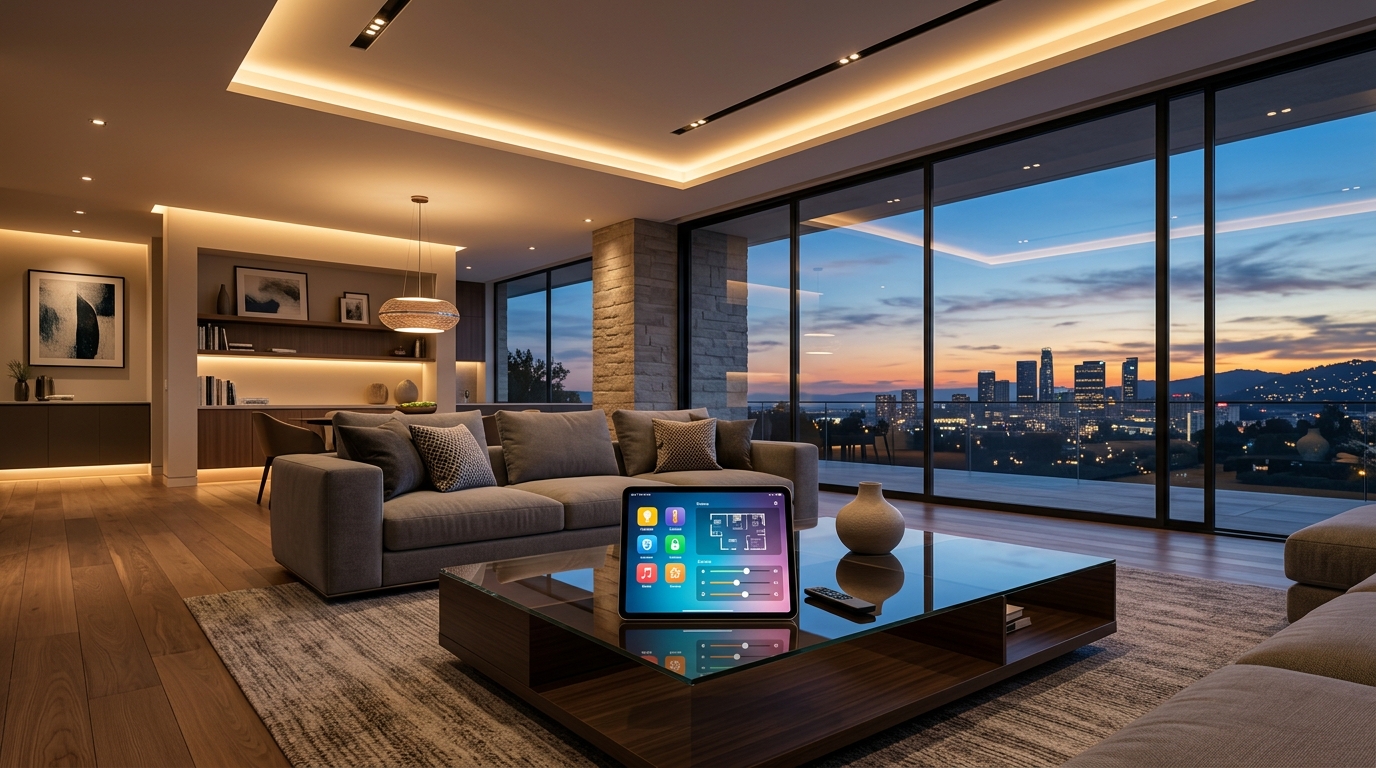
Take a few "vignette" shots. These are tighter, more artistic photos that focus on specific textures or features. Maybe it's a close-up of the marble veining on the island or the sleek interface of a smart refrigerator. If you’re representing a high-tech home, knowing how to market a smart home means showing off those integrated screens and touch-less faucets through clear, detailed imagery.
7. Tell a Story with Lifestyle Photography
Finally, remember that you aren't just selling a room; you're selling a future. People don't buy kitchens; they buy the idea of hosting Thanksgiving or making pancakes on a Saturday morning. Incorporating lifestyle photography into your kitchen set can be incredibly powerful.
This could be as simple as a shot of a steaming cup of tea next to an open book on the breakfast bar. It adds warmth and a human element to what can sometimes be a cold, sterile environment. These shots are particularly effective for social media platforms like Instagram or Pinterest, where aesthetic and mood are just as important as the floor plan.
Summary Checklist for Your Next Kitchen Shoot:
- Clear the counters: Remove dish soaps, sponges, and excessive appliances.
- Check your light: Turn off yellow interior lights and use natural light.
- Level up: Ensure your camera is at chest height and your vertical lines are straight.
- Focus on features: Get close-ups of high-end appliances and finishes.
- Add a touch of life: Use a bowl of fruit or fresh flowers to add color.
Conclusion: The Listing Showcase Difference
Mastering how to photograph a kitchen takes practice, but the ROI is undeniable. High-quality visuals are the foundation of any successful listing strategy. When you combine professional-grade photography with a comprehensive marketing plan, you create an irresistible package for potential buyers.
At The Listing Showcase, we specialize in helping agents turn great properties into unforgettable listings. From stunning photography to immersive virtual tools, we provide the resources you need to stand out in a crowded market. Ready to elevate your next listing? Let's get to work.